

Joey Barton Escapes Jail Time Following Conviction for Offensive Social Media Conduct In a recent legal ruling, renowned footballer Joey Barton has successfully avoided incarceration despite being found guilty of engaging in offensive behavior on social media platforms. The court's decision highlights the ongoing challenges of managing online conduct and the implications of digital interactions for public figures. Barton's case serves as a significant reminder of the importance of...
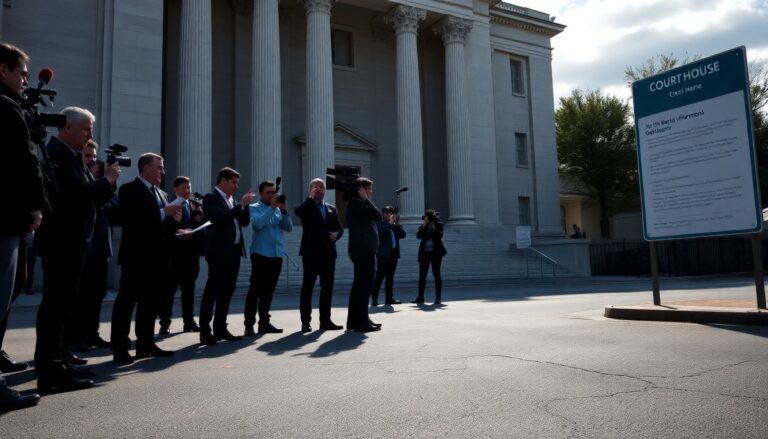
In a significant ruling, former footballer Joey Barton has been sentenced for his controversial activity on social media. He was found guilty of six counts related to offensive tweets, managing to evade incarceration. However, the consequences of his actions will still be felt.
This incident highlights the ongoing debate surrounding the responsibilities of public figures in the digital age.
The court has imposed a suspended sentence, meaning that Barton will not serve time behind bars unless he commits another offense during the probation period.
Additionally, he has been given a two-year restraining order and mandated to complete 200 hours of community service. This case serves as a stark reminder of the impact that words can have online, especially when directed at individuals in the public eye.
Details of the charges
Barton’s charges stemmed from his remarks aimed at prominent figures in the football community, including TV pundits Jeremy Vine, Eni Aluko, and Lucy Ward. The comments were deemed derogatory and offensive, sparking outrage among fans and fellow professionals alike. The legal ramifications of such behavior reflect a growing intolerance for online abuse, particularly towards women in sports.
The implications of social media conduct
As social media platforms continue to play a crucial role in sports and entertainment, the need for responsible communication becomes paramount. Barton’s case underscores the potential repercussions of social media misconduct, where a single tweet can lead to serious legal consequences. This situation illustrates the necessity for public figures to be mindful of their online presence, as their words can resonate far beyond their intended audience.
The court’s decision also touches on the broader societal issue of how we engage with each other online. The virtual space can often become a breeding ground for hostility, and Barton’s case serves as a cautionary tale about the dangers of unchecked expression. For many, the idea of holding individuals accountable for their online actions is a crucial step towards fostering a more respectful and equitable environment.
Community service and restrictions
In addition to the suspended sentence, Barton is required to fulfill his community service obligations, which will involve contributing to local organizations and initiatives. This aspect of his punishment highlights a contemporary approach to justice that prioritizes rehabilitation over retribution. By engaging in community work, Barton has the opportunity to reflect on his behavior and its impact on others.
The two-year restraining order imposed by the court serves to protect the individuals targeted by Barton’s remarks, ensuring that he cannot make further contact or engage with them in any capacity. This measure is particularly important in cases of online harassment, where the lines between public commentary and personal attack can often blur.
Moving forward
As Barton navigates the consequences of his actions, it remains to be seen how this experience will shape his future endeavors. The world of sports is increasingly scrutinized for its handling of social media ethics, and Barton’s case could serve as a pivotal moment for change. Many hope that this incident will encourage not just athletes but all public figures to think carefully about their online interactions.
The ramifications of Barton’s behavior extend beyond his personal consequences; they resonate with a wider audience that often looks up to sports personalities as role models. This situation may serve as an impetus for conversations about mental health, respect, and the power of words in the digital landscape. In a world where online interactions are increasingly prevalent, the need for accountability and positive engagement has never been more critical.
