

Fare Increase Announcement for London Commuters London commuters will experience a fare increase, with Tube prices set to rise by 5.8% in March as part of a funding agreement. This change is expected to impact daily travel costs for millions of passengers relying on the Tube for their commutes.
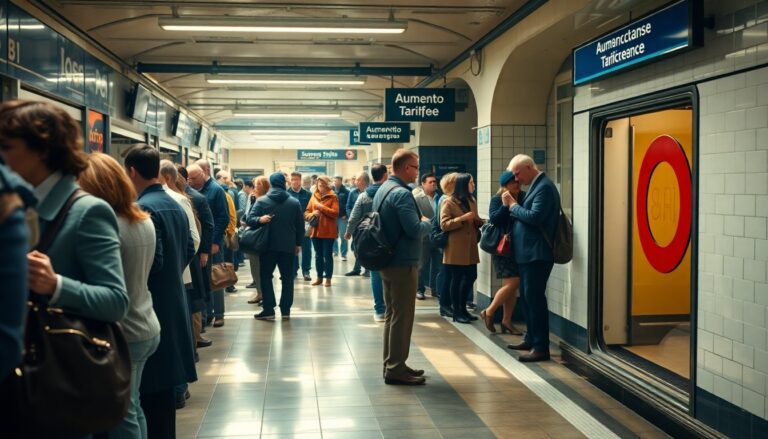
Commuters in London are preparing for a fare increase as Transport for London (TfL) has announced a 5.8% rise in Tube fares, effective next March. This adjustment results from a funding agreement with the government, which mandates fare increases above inflation.
The decision occurs alongside a national rail fare freeze, placing TfL services in a distinct situation.
This fare increase will impact various travel options within the capital. Passengers using the London Overground, the Elizabeth line, and Travelcards will experience significant price hikes.
For instance, a peak-time Tube journey between Zones 1 and 2 will increase from £3.50 to £3.70, with similar increases across several fare categories.
The rationale behind the fare increase
The mayor of London, Sadiq Khan, stated that these fare adjustments are vital to secure £2.2 billion in funding necessary for ongoing improvements and expansions of the city’s transport infrastructure.
The revenue generated from fares will significantly support initiatives, including new trains for the Piccadilly line and the expansion of the Docklands Light Railway (DLR).
Impact on passengers
While the fare increases will start in March, passengers will feel the impact immediately as they plan their budgets for the upcoming year. For example, the cost for a Zones 1-6 Tube journey, which includes routes from Uxbridge to Baker Street, will rise from £5.80 to £6.15 during peak hours. Off-peak travelers will also see increases, with fares climbing from £3.80 to £4.05.
The mayor acknowledged that this above-inflation rise was part of the conditions set by the government during the last spending review. In previous years, TfL managed to implement partial fare freezes, but the current economic landscape and funding requirements have made it challenging to continue this trend.
Future outlook for TfL and its services
As TfL navigates these financial challenges, the organization is considering innovative fare structures and customer incentives to attract more passengers back to public transport. The draft budget for 2026/27 indicates that TfL anticipates generating over £1 billion from motorists through various road user charges, including the congestion charge and ULEZ fees.
Adjustments in service levels
Despite the fare increases, TfL is also evaluating potential cuts to certain bus routes in central and inner London. This move could lead to longer journey times for some passengers, as fewer buses may result in more transfers and less direct routes. The strategy aims to reduce operational costs while addressing the decline in bus usage caused by delays and increased expenses.
The introduction of new trains on the Piccadilly line and DLR is scheduled for 2026, which should enhance service quality and reliability. Additionally, investments in pedestrian-friendly initiatives, including the pedestrianization of Oxford Street, aim to improve the overall public transport experience.
As TfL prepares to release specific fare details closer to Christmas, commuters are left pondering the implications of these changes. Mayor Khan has reiterated that while fare structures may need to adjust in response to national trends, London will continue to prioritize its unique financial and operational needs.
Although the fare hikes may appear burdensome, they are framed as necessary steps to ensure sustainable public transport improvements in London. The balance between funding requirements and service quality will remain a critical focus for TfL in the coming years.
