

Summary of Humanitarian Crisis in Sudan In the context of the ongoing civil war in Sudan, alarming reports indicate a significant rise in severe sexual violence against women. This distressing situation underscores the urgent need for immediate international intervention to protect vulnerable populations and address human rights violations.
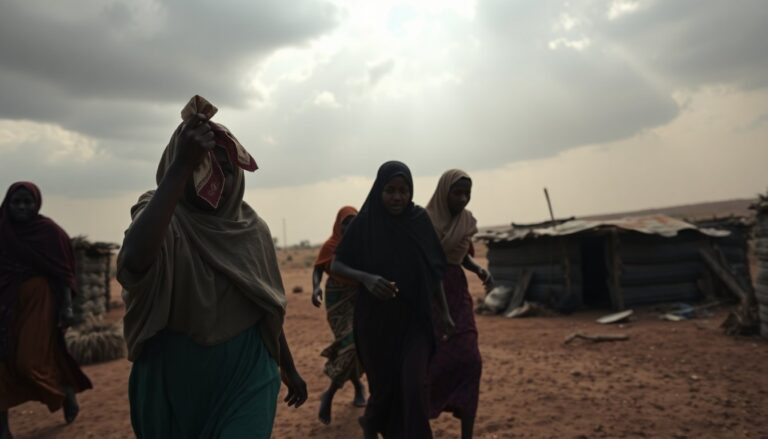
The ongoing conflict in Sudan has escalated, particularly in the Darfur region. Reports of horrific violence against women have emerged. The Sudan Doctors Network, a medical organization, raised alarms over systematic rapes by the paramilitary group known as the Rapid Support Forces (RSF).
They recently stated that at least 19 women were raped while attempting to escape from el-Fasher.
As unrest continues, the health and safety of women and girls in Sudan are increasingly at risk. This situation has drawn international attention, highlighting the urgent need for intervention and support to protect vulnerable populations.
The facts
The Sudan Doctors Network detailed harrowing accounts of women who fled to al-Dabba in the Northern State. Among the victims, two were found to be pregnant. The organization condemned these acts of violence, asserting that they represent a direct assault on women and violate international laws prohibiting such crimes.
They emphasized the need for immediate action to safeguard Sudanese women and girls from further atrocities.
The consequences
According to Mohammed Elsheikh, a spokesperson for the Sudan Doctors Network, the actual incidence of sexual violence is likely much higher than reported. Due to societal stigmas surrounding sexual assault, many victims refrain from disclosing their experiences. This cultural barrier complicates the dire situation, as survivors often do not seek necessary medical or psychological help.
The organization has documented an additional 23 cases of rape among women fleeing el-Fasher for the nearby town of Tawila. Alarmingly, the victims’ ages ranged from 15 to 23 years, illustrating the indiscriminate nature of this violence.
International response and calls for action
The situation in Sudan has prompted urgent calls for international intervention. The Sudan Doctors Network urged global leaders to pressure the RSF to cease these assaults and adhere to international humanitarian laws. The need for safe corridors for women and children fleeing violence is critical.
In addition to these reports of sexual violence, the humanitarian crisis is deepening. The World Food Programme (WFP) described the situation as a “massive” humanitarian crisis, with millions suffering from acute food insecurity. Approximately 20 million people lack access to essential food supplies, with 6 million at risk of starvation, according to WFP Deputy Executive Director Carl Skau.
Challenges in delivering humanitarian aid
Efforts to deliver aid have been severely hampered by ongoing violence. Skau explained that the organization has employed various strategies, including air drops and digital cash transfers, but accessing many regions remains impossible due to continued fighting. El-Fasher, which has suffered from an 18-month siege, exemplifies the overwhelming challenges faced by aid workers.
Despite claims by the Sudanese government to open crossings and issue visas for humanitarian workers, the reality on the ground remains dire. Justice Minister Abdullah Dirife stated that the international community should focus on halting external support for the RSF, particularly from the United Arab Emirates, which has been accused of arming the paramilitary group.
Recent atrocities and ongoing violence
The RSF has been implicated in a recent attack that reportedly killed at least 116 individuals, including 46 children, during an assault on a preschool in South Kordofan. This event underscores the urgent need for international attention and action to end the violence and protect innocent lives.
As unrest continues, the health and safety of women and girls in Sudan are increasingly at risk. This situation has drawn international attention, highlighting the urgent need for intervention and support to protect vulnerable populations.0
As unrest continues, the health and safety of women and girls in Sudan are increasingly at risk. This situation has drawn international attention, highlighting the urgent need for intervention and support to protect vulnerable populations.1
