

A Gripping Tale of a Mother's Resilience Amidst Chaos and Conflict: An Emotional Journey Through Adversity
“`html
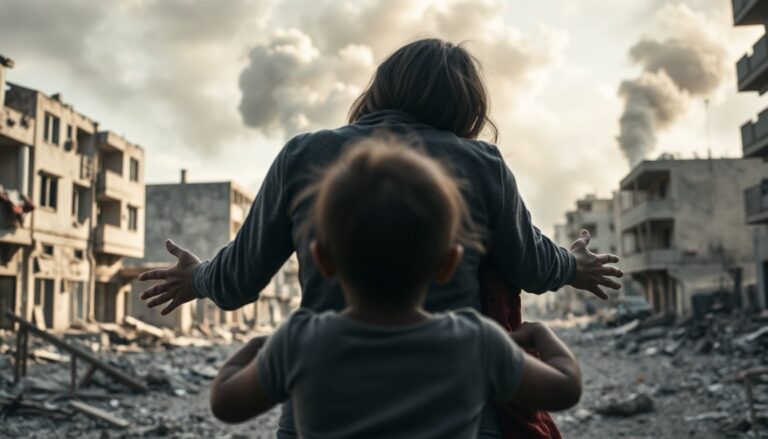
Violence escalated in Israel, resulting in a profound human crisis affecting countless families. Among them was Batsheva Yahalomi, a mother facing an unimaginable dilemma as Hamas militants invaded her homeland. In the ensuing chaos, she confronted a decision that no parent should ever have to make: choosing which of her children to protect.
This heart-wrenching scenario reflects the broader struggles of families in conflict zones, where the instinct to safeguard loved ones clashes with harsh survival realities. Batsheva’s story serves as a poignant reminder of the personal toll that war inflicts on individuals and families.
The weight of a mother’s decision
Batsheva recounted her experience, describing the urgency of the situation. The sound of sirens and chaos created a pressing need to act. The choice between her daughters and her son loomed large, a decision that would haunt her thoughts long after the danger had passed.
The psychological burden of such a choice can be overwhelming. For Batsheva, the instinct to protect her children conflicted with the stark reality of the moment. She grappled with feelings of guilt and uncertainty, questioning whether she had made the right choice. In her heart, she wondered if she had prioritized one child over another or if she was simply responding as any mother would in her position.
The impact of conflict on families
The emotional consequences of conflict extend beyond immediate crises. Children exposed to violence often carry the scars of their experiences into adulthood. Psychological effects can manifest as anxiety, depression, and a range of other emotional challenges. Batsheva’s situation illustrates how conflict disrupts lives and the bonds that hold families together.
Moreover, the implications of such decisions can ripple through communities. When parents like Batsheva are forced to make life-altering choices amid violence, society’s fabric becomes frayed. The emotional toll can create generational cycles of trauma, affecting the next generation’s ability to cope with their own challenges.
Finding hope amid despair
Despite the darkness of conflict zones, stories of resilience and hope emerge. Batsheva’s narrative, while tragic, highlights the strength of maternal love and the enduring spirit of those affected by violence. Many mothers like her advocate for peace and stability, striving to create a safer world for their children.
Organizations dedicated to conflict resolution and family support play a crucial role in helping individuals navigate their experiences. These initiatives offer necessary resources, counseling, and a sense of community for those who have suffered losses. Batsheva’s journey is one of many that underscore the importance of collective efforts in healing and rebuilding.
The role of community support
In times of crisis, community support becomes an invaluable lifeline. Neighbors and friends often unite, offering emotional and practical assistance to those in need. This communal spirit can alleviate the burden of difficult choices and provide normalcy amidst chaos.
Furthermore, raising awareness about the psychological impacts of war is essential. Initiatives that educate communities about mental health empower families to seek help and foster resilience in the face of adversity. Batsheva’s story calls for society to recognize the profound emotional scars left by conflict and to support those navigating its aftermath.
This heart-wrenching scenario reflects the broader struggles of families in conflict zones, where the instinct to safeguard loved ones clashes with harsh survival realities. Batsheva’s story serves as a poignant reminder of the personal toll that war inflicts on individuals and families.0
“`
