

Proactive Strategies for Safeguarding Scotland's Ski Centres: An Overview of Effective Measures and Initiatives
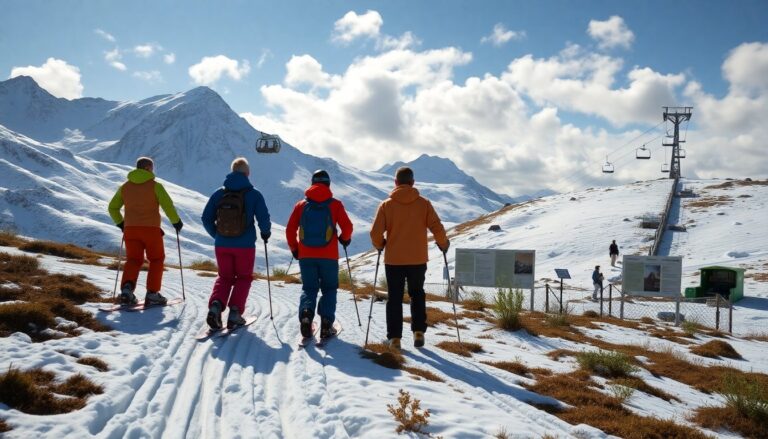
As climate change reshapes natural landscapes, Scotland’s ski centres confront substantial challenges. Rising temperatures and erratic weather patterns jeopardize the operational viability of these resorts. In response, Snowsport Scotland has launched a comprehensive strategy to diversify the services offered by the five primary ski centres throughout the country.
In an interview with Roger Cox, Iain Ramsay-Clapham, CEO of Snowsport Scotland, underlined the necessity of adaptation as traditional skiing seasons become less predictable. The strategy includes a variety of initiatives aimed at attracting visitors year-round, beyond just the winter months.
This proactive approach seeks to safeguard the future of these cherished ski destinations.
Understanding the impact of climate change
The year has already witnessed extreme weather events globally, highlighting the urgent need to address climate issues. A report from the Copernicus Climate Change Service indicated that global temperatures have increased by approximately 1.5 to 1.6 degrees Celsius since the pre-industrial era.
This concerning trend affects not only mountain regions but also weather patterns across Europe, leading to unpredictable snowfall and milder winters.
In Italy, for example, the Mediterranean region has emerged as a climate hotspot. Rising sea temperatures contribute to severe weather phenomena, including intense storms and heatwaves. Similar patterns are evident in the Alps, where glaciers are rapidly retreating, impacting local ecosystems and tourism.
The response of ski centres
In response to these environmental changes, ski centres in Scotland are exploring various avenues for diversification. This includes enhancing summer activities such as mountain biking, hiking, and adventure sports that can attract visitors year-round. By offering a broader array of experiences, these resorts can mitigate the financial impact of shorter ski seasons.
Ramsay-Clapham emphasized the importance of ski centres collaborating with local communities and stakeholders to develop sustainable tourism practices. By forging partnerships with local businesses and environmental organizations, ski centres can promote responsible tourism while contributing to the economic resilience of their regions.
Moving towards sustainability
Another crucial element of Ramsay-Clapham’s strategy is implementing sustainable practices within ski operations. This includes reducing carbon emissions through energy-efficient technologies, enhancing waste management systems, and investing in renewable energy sources. By prioritizing sustainability, ski centres not only protect their natural environments but also attract environmentally conscious visitors.
The shift towards sustainability is not merely a trend; it is essential for the survival of winter sports in Scotland. As climate conditions continue to change, adapting operational practices will be vital for maintaining the appeal of ski centres. This may involve utilizing artificial snow-making technology or investing in infrastructure that supports eco-friendly practices.
Preparing for uncertainty
While proactive strategies are being developed, the uncertainty of future climate conditions remains a significant concern. The unpredictability of snowfall and changing weather patterns complicates long-term planning. Therefore, ski centres must stay flexible and responsive to ongoing environmental changes.
The future of Scotland’s ski centres relies on their ability to adapt and diversify. By embracing innovative strategies, focusing on sustainability, and fostering community engagement, these resorts can navigate the challenges posed by climate change. Collaboration between Snowsport Scotland, local stakeholders, and the community will be vital in ensuring a sustainable future for winter sports in the country.
