

NHS Leadership Urges Doctors to Postpone Strike Amid Severe Flu Outbreak Threatening Patient Care During Holiday Season
“`html
As the National Health Service (NHS) confronts a significant rise in flu cases, senior health officials are urgently appealing to resident doctors to reconsider their planned strike. This industrial action could coincide with a particularly demanding winter season, further complicating an already strained situation in hospitals across the UK.
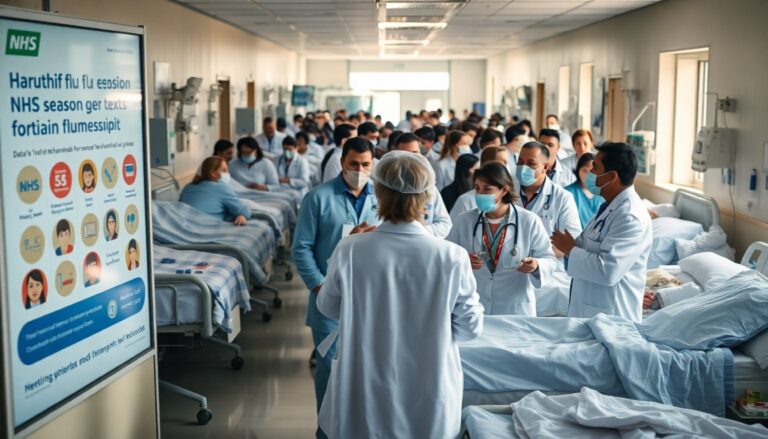
The flu virus, especially a more contagious variant known as influenza A(H3N2), has led to a dramatic increase in hospitalizations, particularly in London. With hospitals already operating at capacity, the call for strikes raises concerns about patient care during this critical holiday period.
Impact of strike action on healthcare
Dr. Chris Streather, the NHS medical director in London, warns that the timing of the strike could not be worse for the public. “We are already facing a triple threat,” he stated, highlighting the challenges posed by high flu case numbers, staff absences due to illness, and the need to free up hospital beds before Christmas.
In an effort to avert the planned walkout from December 17 to December 22, health authorities have strongly urged resident doctors to engage in negotiations rather than proceeding with industrial action. Wes Streeting, the Health Secretary, has characterized the proposed strike as “cynical,” especially as it threatens to disrupt essential services during a peak time for healthcare demands.
Government’s response to the doctors’ demands
The ongoing dispute revolves around issues of pay and working conditions. The British Medical Association (BMA) asserts that resident doctors are underpaid, despite a total pay increase of 28.9%. They argue that this still fails to address the real-term pay cuts experienced since 2008.
In response to these concerns, the government has proposed a package aimed at improving working conditions for doctors, which includes increasing the number of specialty training places. This expansion aims to increase training positions from 1,000 to 4,000, allowing more doctors to enter the workforce. Streeting emphasizes that while immediate pay increases may not be feasible, enhancing career prospects remains a government priority.
Public health implications and community safety
As flu cases continue to surge, health officials are urging the public to take necessary precautions. Dr. Streather advises anyone exhibiting flu-like symptoms to avoid public transport and gatherings, such as Christmas parties, to curb further virus transmission. This is particularly crucial in London, where high population density and extensive public transport use exacerbate the spread of the virus.
The current flu strain has led to unprecedented hospitalization rates, with figures reaching three times higher than the previous year. This alarming trend has prompted health authorities to prioritize vaccination efforts, especially among vulnerable groups such as children, pregnant women, and the elderly. Health officials are calling for immediate vaccination among those eligible to mitigate the effects of the outbreak.
Looking ahead: The choice for resident doctors
The upcoming strike marks the 14th industrial action since the dispute began, and the BMA is preparing to survey its members on whether to proceed with the planned walkout. The stakes are high, as the decision made by resident doctors will not only impact their working conditions but also the broader public health landscape during this critical time.
With the government’s recent proposals, which include fee reimbursements for medical exams and training, as well as increased allowances for part-time doctors, the opportunity for resolution is within reach. Health Secretary Streeting urges resident doctors to consider the benefits of accepting these offers against the potential chaos that a strike could bring to the NHS and the patients it serves.
The flu virus, especially a more contagious variant known as influenza A(H3N2), has led to a dramatic increase in hospitalizations, particularly in London. With hospitals already operating at capacity, the call for strikes raises concerns about patient care during this critical holiday period.
“`
