

Understanding the Impact of Farming Practices on Waterways: A Deeper Look at Environmental Concerns Explore how agricultural practices are contributing to the degradation of our waterways, often surpassing the pollution caused by sewage discharge. This analysis highlights the critical environmental issues arising from modern farming techniques and their implications for water quality.
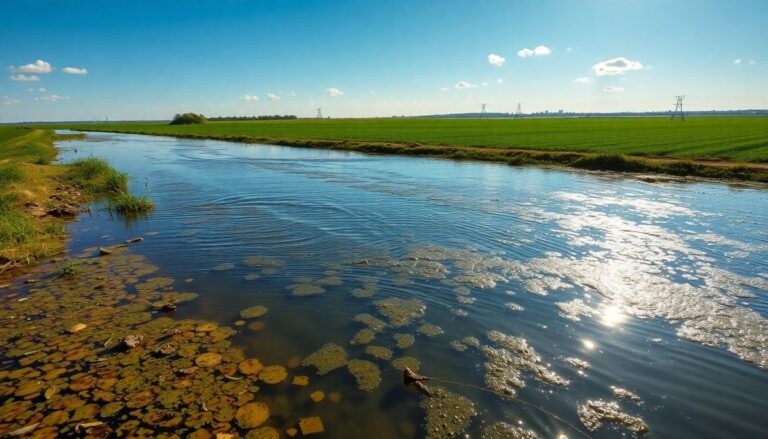
The condition of rivers represents a significant environmental concern that often triggers public outcry, particularly regarding the presence of sewage in waterways. However, recent discussions suggest that sewage may not be the primary threat to water quality. Instead, the more pressing danger appears to stem from intensive farming practices, which profoundly affect aquatic ecosystems.
This article examines the ramifications of agricultural practices on water systems and emphasizes the urgent need for measures to address this growing issue.
The impact of intensive farming on waterways
Modern agriculture has reshaped food production, but this evolution carries consequences.
The extensive use of fertilizers and pesticides leads to harmful chemical runoff into rivers and streams, significantly degrading water quality. This runoff often contains nutrients like nitrogen and phosphorus, which can cause eutrophication. This process results in excessive algae growth, depleting oxygen levels in the water and harming aquatic life.
Additionally, livestock farming contributes to water pollution through manure runoff, which not only adds nutrients but also introduces pathogens and other harmful substances that jeopardize ecosystem health and human safety.
Understanding the scope of the problem
The scale of the issue is alarming. Studies indicate that a substantial portion of rivers is contaminated by agricultural runoff, leading to declines in biodiversity and the health of aquatic ecosystems. Moreover, the impact of these pollutants extends beyond local environments, affecting drinking water supplies and posing risks to public health.
For instance, many communities depend on rivers for drinking water. Contaminated sources can result in serious health problems, including gastrointestinal diseases and long-term health issues. Thus, it is crucial to acknowledge that while sewage discharge poses a problem, the contribution of farming practices is significantly more impactful.
Addressing the agricultural pollution crisis
To combat the pollution crisis linked to agriculture, transitioning to more sustainable farming practices is essential. Techniques such as crop rotation, cover cropping, and reduced chemical use can help mitigate farming’s environmental impact. These practices not only protect water quality but also enhance soil health and improve farm resilience.
Creating buffer zones along waterways can also help filter pollutants before they reach the water. These zones, consisting of native vegetation, act as natural filters, absorbing excess nutrients and preventing soil erosion.
The role of policy and community action
Effective policy measures are vital in addressing pollution resulting from agriculture. Governments can enforce stricter regulations on fertilizer and pesticide use, incentivize sustainable practices, and raise awareness among farmers about the importance of water conservation.
Community involvement is equally crucial in driving change. Local organizations can collaborate with farmers to develop educational programs and resources that promote responsible agricultural practices. Investing in community-led initiatives enhances the health of waterways, preserving them for future generations.
This article examines the ramifications of agricultural practices on water systems and emphasizes the urgent need for measures to address this growing issue.0
