

FIFA Ticket Pricing Strategy: Enhancing Fan Accessibility and Affordability FIFA has implemented recent changes to its ticket pricing strategy, focusing on addressing fan concerns regarding accessibility and affordability. This initiative is designed to make attending matches more feasible for a wider audience, ensuring that a diverse range of fans can experience the excitement of live football. By revising ticket prices, FIFA aims to create a more inclusive environment, ultimately enhancing...
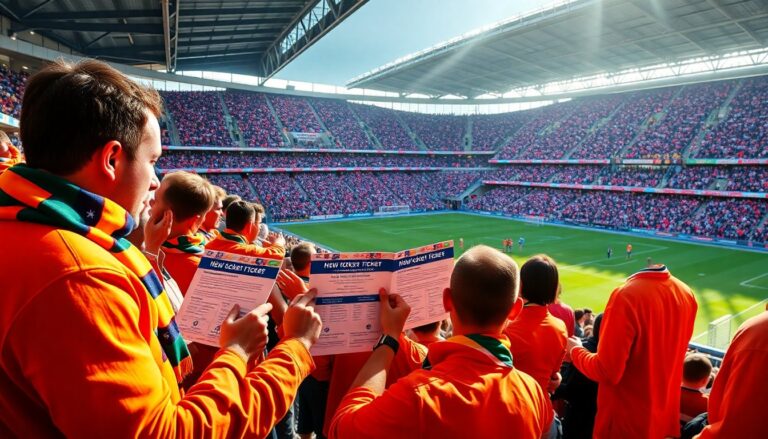
The FIFA World Cup has long been an eagerly awaited event for football fans worldwide. However, recent ticket pricing structures have ignited outrage among supporters, prompting FIFA to reassess its approach. In response to complaints about exorbitant ticket prices, particularly for dedicated fans, FIFA has introduced a new tier of affordable tickets.
Initially, fans hoping to attend the final match faced costs exceeding £3,000, while loyal England supporters aiming to follow their team throughout the tournament were looking at a minimum expenditure of over £5,000. This situation led to numerous complaints from fan organizations, resulting in urgent discussions within FIFA.
New ticket pricing structure
After meetings with various football federations in Doha, FIFA announced that a portion of tickets would be set aside specifically for dedicated fans of national teams. Consequently, 10 percent of the tickets from the participant member association (PMA) for each match will be priced at a more accessible $60 (£45), including tickets for the final.
This decision aims to enable loyal supporters to experience the excitement of the World Cup without being burdened by prohibitive costs.
Fan concerns and reactions
Last week, fan groups voiced their discontent over the pricing model, with organizations such as Football Supporters Europe labeling it a “monumental betrayal” of fans. They urged FIFA to reconsider its allocation strategies, particularly after it was revealed that the PMA allocation only accounts for 8 percent of stadium capacity for each participating nation.
The English Football Association (FA) received an allocation of just over 4,000 tickets for its opening match against Croatia, meaning only around 400 fans could benefit from the newly introduced $60 tickets. Additionally, 40 percent of tickets will be available at a significantly higher price of £198, leaving many fans still unable to afford the experience they desire.
Significance of the changes
A FIFA representative involved in the discussions highlighted the overwhelming demand for tickets, noting that there have already been over 20 million requests during this latest phase of ticket sales. The official stated, “We have listened to feedback and this new category is the right thing to do.” The introduction of affordable ticket options is viewed as a step toward rebuilding trust with fans who have long supported their teams.
Looking ahead to the World Cup
As the World Cup approaches, the excitement among fans is palpable. This unique tournament promises to be a significant event, particularly with the new pricing model aimed at enhancing accessibility for supporters. According to FIFA, it is crucial for associations to determine how best to distribute these tickets among loyal fans. The tournament, especially in the USA, presents a unique market that allows for secondary ticket resales, making it essential to ensure that dedicated fans have the opportunity to attend.
Despite the positive feedback regarding the new ticket tier, some fan groups remain skeptical. The Football Supporters’ Association’s Fans’ Embassy for England fans described the move as a “step in the right direction,” but still expressed concerns over the overall pricing structure. They noted that while the new $60 tickets are a welcome change, the majority of tickets remain priced too high for many supporters, potentially leaving thousands unable to attend.
Ultimately, while FIFA’s decision to adjust ticket pricing is a response to significant backlash, it is crucial for the organization to continue addressing the needs of fans. By doing so, FIFA can preserve the essence of the World Cup, ensuring that it remains a celebration of football that includes the voices of its most devoted followers.
