

Recent analysis by Arts Council England highlights the urgent need for reform in arts funding and accessibility.
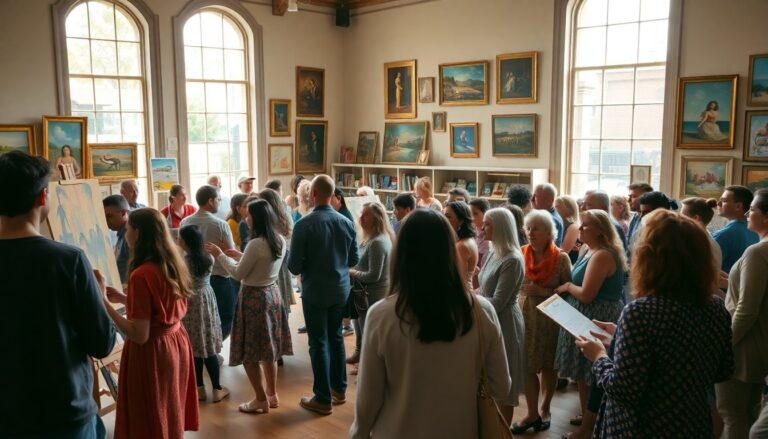
The landscape of arts and culture in the UK is currently under critical evaluation, led by Baroness Margaret Hodge. Her independent review of Arts Council England has ignited important discussions regarding arts funding and accessibility across the nation. This review is particularly timely, as the government aims to position the arts not merely as a luxury, but as a vital component of community life.
Published on December 16, 2025, the review acknowledges the strengths of the Arts Council while also outlining recommendations to bolster support for artists and enhance access to cultural offerings. The government has committed to seriously consider these insights, highlighting the necessity of a national arts body that remains closely connected to the communities it serves.
Key findings from the review
One of the most significant insights from the review highlights the essential role of public funding in nurturing creativity within the arts sector. Baroness Hodge’s team engaged in thorough consultations with artists, organizations, and various stakeholders to gain a deep understanding of the current challenges facing the industry.
Their research uncovers both the achievements and the limitations of the Let’s Create strategy, which seeks to enhance access to the arts.
Strengthening community ties
The review advocates for a stronger connection between the Arts Council and local communities. It asserts that access to arts and culture should be considered a right, not a privilege. The report underscores the necessity of reaching underserved populations, ensuring that individuals from all backgrounds and locations can engage with the arts. This perspective reflects a growing consensus on the importance of cultural access for societal enrichment.
Additionally, the review recommends that the Arts Council extend funding cycles for National Portfolio Organisations from three to five years. This change would provide greater stability and allow organizations to pursue long-term creative projects without the ongoing pressure of reapplying for funding.
Recommendations for improvement
The review presents 21 recommendations aimed at addressing critical underfunding issues that have impacted the arts sector for over a decade. It advocates for innovative funding solutions that prioritize artistic excellence while ensuring equitable access. Additionally, it highlights the importance of upholding the arm’s length principle, which safeguards arts funding from political interference.
Enhancing application processes
Current application and reporting systems are described as overly complicated and burdensome. Many artists and organizations have voiced their frustration with lengthy procedures, which hinder their focus on creative work. In response, the Arts Council is encouraged to streamline these processes, enabling artists to allocate more time to their craft rather than dealing with bureaucratic obstacles.
In the pursuit of enhancing arts education, the review advocates for collaboration among the Department for Education, the Department for Culture, Media and Sport, and philanthropic organizations. Establishing a joint fund is proposed to support cultural initiatives in schools, ensuring that arts education remains a priority. Such partnerships could enrich the cultural landscape in educational institutions, ultimately benefiting both students and their surrounding communities.
Exploring future opportunities
The government has announced plans to address these recommendations in early 2026, with the goal of reshaping the arts funding landscape in light of Baroness Hodge’s insights. The response has been largely positive, emphasizing the urgent need for systemic change. Many voices are calling for a renewed commitment to fostering artistic talent across the nation.
The independent review of Arts Council England highlights the urgent need for action. It emphasizes the importance of creating an environment where creativity can flourish and cultural experiences are accessible to everyone. The government’s forthcoming responses will play a crucial role in determining the future of arts funding, ensuring that the arts continue to be an essential part of the UK’s cultural landscape.
