

Prepare Your Vehicle for the Festive Season: Essential Tyre Checks Ensure your vehicle is holiday-ready by performing these vital tyre checks: 1. Inspect Tyre Pressure: Maintain optimal pressure for safety and fuel efficiency. 2. Check Tread Depth: Ensure sufficient tread depth for maximum traction on wet or icy roads. 3. Examine Tyre Condition: Look for any signs of wear, damage, or uneven wear patterns that could affect performance. 4. Rotate Tyres: Regular rotation promotes even wear and...
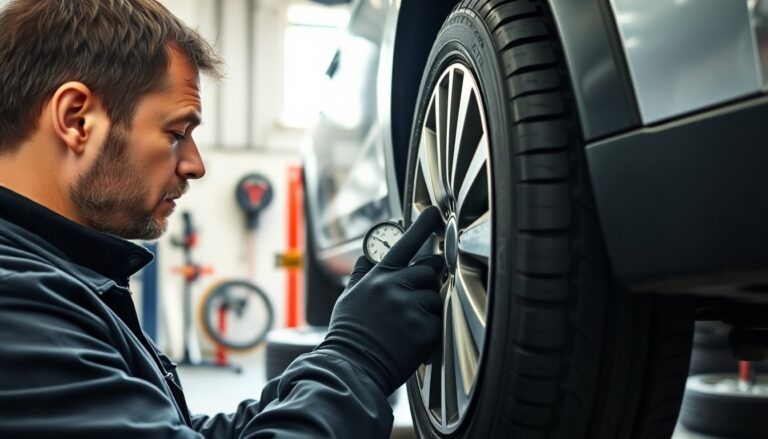
The holiday season is approaching, prompting many to travel for family reunions. With a surge in vehicles expected on highways, maintaining your car is essential for safety.
Among various vehicle components, tyres are critical as they are the primary contact point with the road.
In winter, conditions can become hazardous, making it vital to ensure your tyres are in optimal condition to prevent potential accidents.
Inspecting your tyres for damage
If you plan to travel extensively this Christmas, begin by examining your tyres for any damage.
Look for signs such as cracks, bulges, or perishing rubber, as these issues can increase the risk of a blowout—a dangerous situation that could lead to an accident.
Consider the age of your tyres as well; rubber deteriorates over time, and older tyres are less effective in challenging conditions.
Generally, tyres should be replaced every seven years, regardless of their tread depth or overall condition, to ensure optimal safety.
Understanding the risks of overloading
When preparing for holiday travels, be mindful of the weight your vehicle carries. Overloading your car with passengers, gifts, and luggage can place excessive stress on your tyres, increasing the likelihood of issues during your journey. Always adhere to your vehicle’s weight limit, typically detailed in the user manual or on a label inside the driver’s door.
If you expect a heavier load, adjust your tyre pressures accordingly. Proper inflation is crucial, as under-inflated tyres can overheat and potentially lead to blowouts. Check the manufacturer’s recommended tyre pressure, usually found in the glove box or on the vehicle’s door frame.
Using the 20p coin test for tread depth
Winter driving can present unique hazards due to icy and wet conditions, making sufficient tread depth essential for maintaining grip and stability. In the UK, the legal minimum for tyre tread is 1.6mm. However, it is advisable to replace tyres before reaching this threshold for optimal safety.
A straightforward way to gauge your tyre tread depth is by using a 20p coin. Insert the coin into the tread grooves; if the outer band of the coin is visible, your tread depth may be too low, indicating it is time for a replacement.
Monitoring tyre pressure during winter months
As temperatures drop, it is crucial to monitor your tyre pressures—they can decrease with colder weather. For every 10-degree Celsius drop, tyre pressure can decrease by approximately 1 to 2 PSI. Regular checks, ideally once a month, can help maintain the integrity of your tyres.
When checking tyre pressure, do so when the tyres are cold, ideally after the vehicle has been stationary for several hours. Adjusting pressure while the tyres are warm risks setting it inaccurately, which could lead to under-inflation once they cool.
Preparing for unexpected weather
Among various vehicle components, tyres are critical as they are the primary contact point with the road. In winter, conditions can become hazardous, making it vital to ensure your tyres are in optimal condition to prevent potential accidents.0
Among various vehicle components, tyres are critical as they are the primary contact point with the road. In winter, conditions can become hazardous, making it vital to ensure your tyres are in optimal condition to prevent potential accidents.1
Among various vehicle components, tyres are critical as they are the primary contact point with the road. In winter, conditions can become hazardous, making it vital to ensure your tyres are in optimal condition to prevent potential accidents.2
