

Flu season has hit Europe hard this year, with rising hospital admissions and a new strain of the virus affecting vulnerable populations.
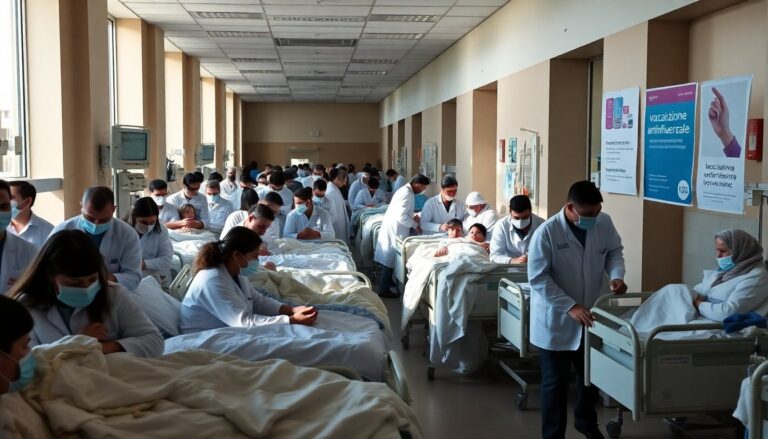
This year, Europe is experiencing an exceptionally challenging flu season, which has started earlier than usual, leading to rising hospital admissions across several regions. The World Health Organization (WHO) has reported that more than half of the countries in the European region are grappling with a surge in influenza cases, primarily driven by a new variant.
Health authorities are stressing the importance of getting vaccinated, particularly for high-risk groups.
In the UK, the situation is particularly dire, as hospitals are seeing unprecedented levels of admissions due to influenza. The average daily hospital admissions have risen sharply, surpassing the numbers recorded in previous years.
This spike has raised concerns about the capacity of the National Health Service (NHS) to cope with the ongoing demands, especially with a potential doctors’ strike looming on the horizon.
Current state of flu infections in Europe
The flu season commenced approximately four weeks earlier than anticipated, and the new strain, identified as variant A/H3N2 K, is now responsible for up to 90% of reported cases.
As noted by Hans Henri P. Kluge, the WHO’s regional director for Europe, this variant is spreading rapidly, creating pressure on healthcare systems across the continent. Although this strain has not been linked to more severe illness, its rapid transmission poses significant challenges, especially for those with weaker immune systems.
Vaccination: the key to prevention
Health officials emphasize that vaccination remains the most effective defense against severe illness caused by influenza. While the vaccine may not completely prevent infection, early reports from the UK suggest that it significantly lowers the risk of severe outcomes related to the A/H3N2 variant. The WHO continues to advocate for increased vaccination rates, particularly among vulnerable populations such as the elderly, pregnant women, and those with pre-existing health conditions. Healthcare professionals are also urged to get vaccinated to safeguard their health and that of their patients.
Impact on healthcare systems
The current flu wave has put immense strain on the healthcare infrastructure, and the NHS has declared that it is operating under incredibly precarious conditions. The health minister has warned that the situation could worsen, especially with the prospect of industrial action among medical staff. The ongoing flu crisis has been likened to a game of Jenga, where the removal of just one crucial piece could lead to a collapse of the entire system.
Community transmission and the role of schools
Schools have become a focal point for the transmission of the virus, particularly among children aged 5 to 14. With low vaccination rates in this demographic, the potential for widespread outbreaks increases significantly. Health authorities are calling for vigilance regarding seemingly mild symptoms in children, as even minor cases can lead to a chain reaction affecting families and, crucially, elderly relatives who may be at higher risk.
Measures reminiscent of the pandemic are being reconsidered in educational settings; for example, hand sanitization stations are being reintroduced in schools to curb the spread of the virus. Some schools have even temporarily closed due to high absenteeism linked to flu symptoms, highlighting the potential disruption to education and social interaction among students.
Looking ahead: advice and recommendations
As the flu season progresses, authorities predict that cases will continue to rise, with a peak expected in late December or early January. Although most individuals will recover from influenza without requiring medical attention, those experiencing severe symptoms or with underlying health issues should seek medical assistance. The WHO recommends that individuals stay home if feeling unwell, wear masks in public spaces if experiencing respiratory symptoms, and practice good hygiene by washing hands regularly and ensuring proper ventilation in indoor environments.
In conclusion, while the current flu season poses significant challenges, the situation is not as critical as during the COVID-19 pandemic. With established vaccination protocols and public health measures in place, it is crucial for communities to remain informed and proactive in their health choices. The experience of this year serves as a reminder of the importance of timely vaccination and adherence to health guidelines to protect our most vulnerable populations.
