

Explore the dynamic landscape of fire incidents and safety regulations in Wales, highlighting emerging trends and essential reforms.
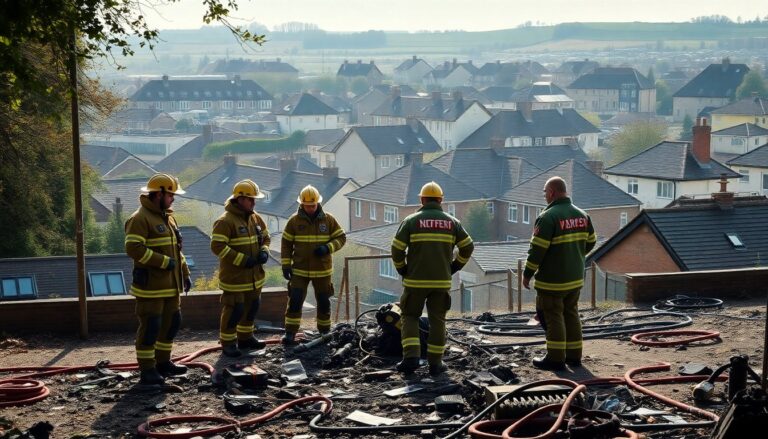
Wales has experienced notable developments in fire safety statistics and regulatory measures in the period spanning from April 2025 to March 2025. An analysis of fire incidents reveals underlying causes, locations, and overall implications. This report contrasts current data with that from the previous year, highlighting both improvements and areas requiring further attention.
Trends in fire incidents
Since the early 2000s, fire reports have shown a significant decline, with a reduction exceeding 70%. Recent statistics indicate stabilization, with annual incidents fluctuating between 10,000 and 13,000. The 2025-25 period recorded 10,166 fires, marking the second-lowest point in this historical context.
False alarms and special service incidents
Despite the overall decrease in fire incidents, false alarms have seen a more moderate decline, with a 10% drop since 2001-02. Notably, the figures for false alarms decreased in the 2025-25 period to 16,966 instances, after several years of annual increases.
Conversely, data for Special Service Incidents (SSIs) experienced fluctuations, showing a 2% increase compared to the previous year.
Casualties and their implications
The impact of fire incidents on individuals remains a significant concern. In 2025-25, there were 16 fatalities linked to fire incidents in Wales, reflecting a slight improvement with two fewer deaths than the previous year. Additionally, non-fatal casualties rose by 6%, resulting in a total of 389 injuries during this period.
Key changes in fire statistics
Comparing statistics from 2025-24 to 2025-25, there was a noticeable 5% increase in overall fire incidents. While the count for primary fires remained stable, secondary fires surged by 8%. These statistics highlight the persistent challenges faced by fire safety authorities, underscoring the need for continuous vigilance and strategic intervention.
Regulatory reforms and their significance
In light of recent tragedies, particularly the Grenfell Tower fire, significant changes in fire safety regulations are essential. The government is advancing toward a more cohesive regulatory framework through the establishment of a single construction regulator. This initiative is informed by findings from the Grenfell Inquiry, which identified extensive failures in the current regulatory structure.
Moving forward with comprehensive reforms
The government’s commitment to reform aims to address fragmentation within the construction sector and enhance accountability among industry stakeholders. By prioritizing building safety and ensuring that construction products meet high standards, the proposed regulatory changes will create a safer environment for all residents. Establishing this single regulator is not merely a response to past failures but a proactive measure to rebuild trust and enhance the overall safety of buildings.
Engagement with all relevant stakeholders is crucial for shaping a system focused on safety and establishing clear expectations for industry conduct. This collaborative effort will involve gathering evidence and insights from industry professionals, ensuring that the new regulatory framework effectively addresses current challenges.
The evolving landscape of fire incidents and regulatory reforms in Wales indicates a critical shift towards enhanced safety measures. By analyzing current statistics and understanding the motivations behind regulatory changes, stakeholders can collaborate to improve fire safety for all communities.
