

Animal Welfare Strategy Initiatives in England Overview of Transformative Initiatives: Discover the key programs and reforms aimed at enhancing animal welfare across England. Policy Development: Learn about the strategic policies that have been implemented to protect animal rights and promote ethical treatment. Community Engagement: Understand how local communities are being mobilized to support animal welfare initiatives and foster a culture of compassion. Collaborative Efforts: Explore...
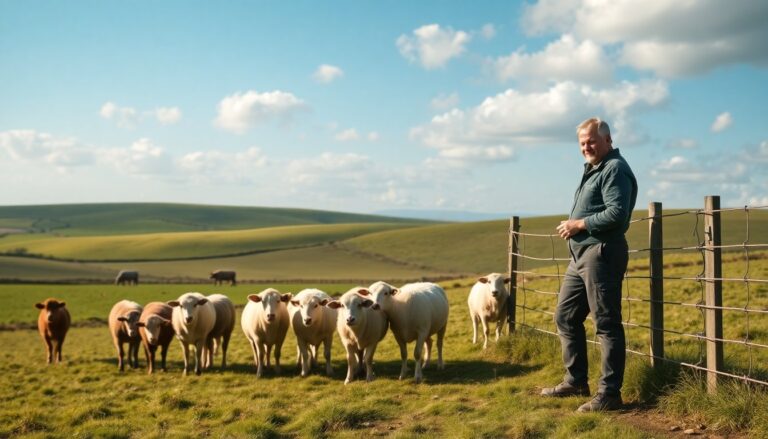
The recent unveiling of the Animal Welfare Strategy for England represents a significant advancement in the government’s commitment to ensuring the well-being of animals. This strategy encompasses a comprehensive set of reforms aimed at enhancing the lives of various animals, from livestock and pets to wild species.
With over 150 million farm animals in England, the implications of animal welfare extend beyond humanitarian concerns, impacting public health and economic stability.
Initially proposed in 2025 by Baroness Hayman of Ullock, these plans have evolved into a thorough strategy developed in collaboration with diverse stakeholders.
This approach not only reinforces the UK’s historical dedication to high animal welfare standards but also emphasizes the need for practical solutions that address the realities faced by those in the agricultural sector.
Key components of the strategy
At its core, the strategy outlines essential actions that only the government can undertake, such as establishing a robust regulatory framework and setting a clear path forward.
It also highlights the importance of collaboration with industry players and organizations to collectively enhance animal welfare, supported by effective enforcement measures.
Benefits to farmers and the economy
Enhancing animal welfare is not merely an ethical obligation; it promotes healthier and more productive livestock. This leads to better outcomes for farmers, increased profitability, and a more resilient food supply chain. Such improvements align with the findings of the Farming Profitability Review, which underscores the necessity for farmers to achieve fair market returns.
The strength of British agriculture lies in its high animal welfare standards, which foster consumer trust, elevate the quality of homegrown produce, and stimulate domestic demand. By protecting farmers against unfair competition and promoting the integrity of British products, the government aims to translate these high standards into greater profitability and more resilient agricultural enterprises.
Comprehensive reforms for animal welfare
The Animal Welfare Strategy adopts a holistic view of animal welfare, acknowledging the integral connection between animal health, welfare, and economic viability. The reforms are categorized into four key areas, complementing the Animal Health and Welfare Pathway, which offers farmers practical guidance, veterinary support, and funding aimed at disease prevention, reduction of antibiotic use, and ongoing enhancements in animal welfare and health on farms.
Collaboration and consultation
To ensure these reforms are actionable and realistic, the government plans to work closely with charities, veterinarians, farmers, and industry representatives. Recognizing the potential for increasing discrepancies between UK standards and those of other nations, the strategy emphasizes the need to protect local producers from unfair advantages held by imported products that do not meet the same welfare and environmental standards.
Additionally, the strategy addresses specific manifesto commitments, such as the ban on snare traps for wild animals. These traps often cause significant suffering and can inadvertently trap pets and protected wildlife, making their elimination crucial for improving overall animal welfare. By promoting humane wildlife management practices, the government aims to reduce unnecessary harm in rural areas.
Future directions and legislative updates
The government intends to consult on implementing a ban on trail hunting, a practice that poses risks to wildlife as hounds may chase unintended animals. Moreover, plans are underway to establish a close season for hares, designed to protect their vulnerable young from starvation and predation during critical breeding periods.
As the Animal Welfare Strategy unfolds, it establishes a clear trajectory for future animal welfare reforms, with many proposals to be refined through continued engagement with farmers and industry stakeholders. Starting from January 22, 2026, there will be increased payments for the animal health and welfare review and follow-up initiatives related to endemic diseases.
Initially proposed in 2025 by Baroness Hayman of Ullock, these plans have evolved into a thorough strategy developed in collaboration with diverse stakeholders. This approach not only reinforces the UK’s historical dedication to high animal welfare standards but also emphasizes the need for practical solutions that address the realities faced by those in the agricultural sector.0
