

Explore the most recent fire and rescue statistics in Wales, showcasing important trends and valuable insights from 2025 to 2025.
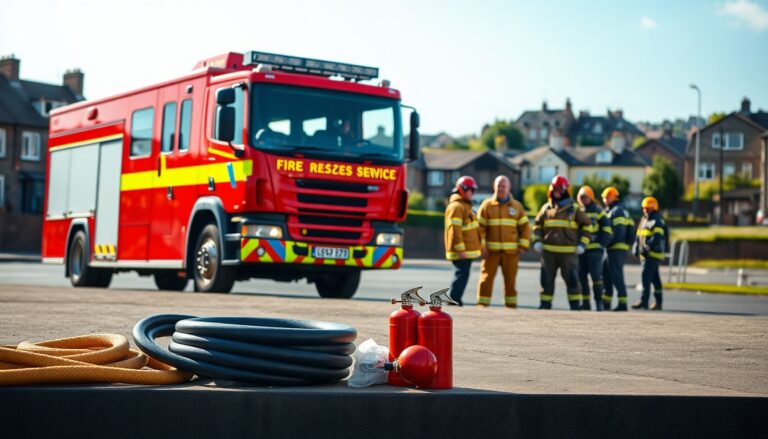
The fire and rescue services in Wales have released their incident statistics for the financial year running from April to March. This data provides a comprehensive examination of various incidents attended by the three Fire and Rescue Authorities (FRAs) across the country.
It includes figures related to fire occurrences, casualties, and false alarms, shedding light on the evolving landscape of fire safety and emergency response in Wales.
It is important to note that the numbers for this period are provisional and sourced from the Incident Recording System (IRS).
This analysis not only reflects the current state of fire incidents but also traces trends over time, indicating the effectiveness of fire prevention measures and public safety campaigns.
Trends in fire incidents
The overall number of fires attended by Welsh FRAs has seen a significant decline since the early 2000s, dropping by over 70% since 2001-2002.
In the past decade, however, the figures have stabilized, remaining within the range of 10,000 to 13,000 incidents annually. For the fiscal year in question, the total number of fires recorded was 10,166, marking the second lowest figure in the historical series.
False alarms and special service incidents
In addition to fire incidents, the statistics account for false alarms, defined as situations where the FRA responded to a reported fire that ultimately did not exist. The trend for false alarms has decreased, albeit at a slower rate—only 10% since 2001-2002. The latest figures indicate a slight decrease to 16,966, the first decline in false alarms since 2019.
Furthermore, the Special Service Incidents (SSIs) category, which includes non-fire emergencies such as traffic accidents and medical emergencies, experienced a 2% increase compared to the previous year. In total, there were 38,074 incidents attended by FRAs, highlighting the ongoing demand for emergency services.
Casualty statistics and fire classifications
In terms of casualties, Wales experienced 16 fatalities due to fires during the reporting period, reflecting a decrease of two fatalities compared to the previous year. The number of non-fatal casualties rose by 6%, bringing the total to 389. Most of these incidents involved individuals receiving first aid or being sent for precautionary checks, underscoring the importance of timely medical assistance following fire incidents.
Types of fires
Fires are categorized into three main types: primary fires, which occur in buildings or vehicles; secondary fires, typically outdoor incidents; and chimney fires, confined to chimney structures. In the latest reporting period, primary fires remained stable with no percentage change compared to the previous year, while secondary fires saw an increase of 8%. Notably, chimney fires also rose by 6%.
Regarding the location of these incidents, a significant portion of primary fires occurred in residential settings, comprising 37% of the total. The report reveals that fires in vehicles have reached their highest levels since 2019, while outdoor fires have significantly decreased.
Motives behind fire incidents
Understanding the motivations behind fire incidents is essential for developing effective prevention strategies. In the latest period, there were 4,292 accidental fires, accounting for 42% of all fire incidents. In contrast, deliberate fires numbered 5,874, representing a 9% increase from the previous year. The data indicates that most deliberate fires were classified as secondary, often involving refuse.
Future outlook
The fire and rescue incident statistics for Wales reveal both challenges and progress in fire safety and response. While the downward trend in total fires is encouraging, the rise in non-fatal casualties and deliberate fires highlights the need for continued public education and effective emergency response strategies. Ongoing analysis and data collection will enable the FRAs to refine their approaches, ensuring the safety and well-being of communities across Wales.
