

Professional Summary Dynamic and results-oriented expert with a focus on conflict resolution and peacebuilding in the Democratic Republic of the Congo (DRC). Proven track record in analyzing and addressing the complexities of insurgency movements, particularly the M23 rebels, and their impact on regional stability. Committed to fostering sustainable peace initiatives and enhancing collaborative efforts among stakeholders to mitigate tensions and promote lasting solutions. Key Skills Conflict...
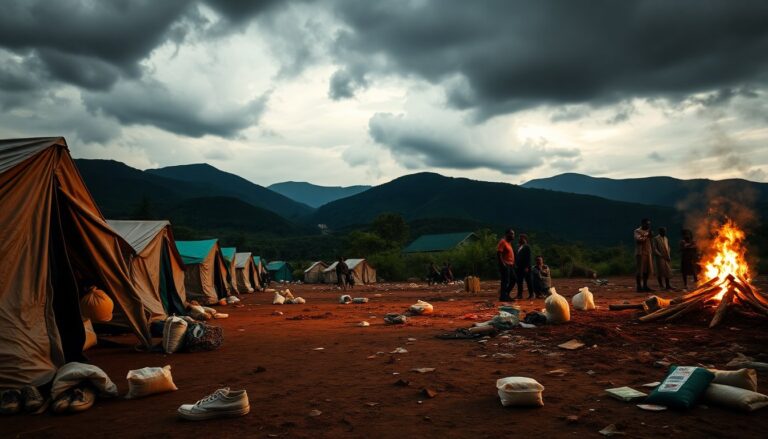
The situation in the Democratic Republic of the Congo (DRC) has deteriorated as the M23 rebel faction intensifies its military offensive, raising concerns of instability throughout the region. Despite diplomatic efforts, including a peace agreement facilitated by the United States and Qatar, ongoing violence has left many Congolese citizens feeling disillusioned.
Following the conclusion of peace talks and the signing of an agreement in November, a sense of cautious optimism emerged among the local population. Many hoped that the year would end peacefully after years of conflict that displaced nearly one million people in the eastern regions.
However, this optimism was short-lived as M23 forces launched an attack on the strategically significant city of Uvira, which plays a crucial role in the economy and transport.
Escalating violence and broken promises
In the wake of the recent offensive, the Congolese government reported alarming casualties, estimating that around 400 individuals lost their lives and over 200,000 were forced to flee their homes.
Uvira, previously a stronghold for government forces, was temporarily captured by M23, complicating the already dire humanitarian situation. The combination of military pressure, local militias, and the presence of Burundian troops has created a complex battlefield where civilians find themselves caught in the crossfire.
Diplomatic efforts falter amid conflict
Negotiations aimed at establishing a ceasefire have repeatedly stalled, causing frustration among analysts and local populations. Hubert Masomera, a prominent Congolese lawyer, noted that both the government and the M23 appear to lack genuine commitment to resolving the conflict. “It’s evident that neither side is willing to prioritize peace,” he stated, highlighting the growing sense of abandonment among civilians.
The conflict in the DRC is deeply rooted in a history of ethnic strife and external interference. Ongoing battles trace back to the aftermath of the 1994 Rwandan genocide, which displaced many into eastern Congo and contributed to a complex network of militias and armed groups vying for control. The M23 emerged from past conflicts, responding to perceived injustices against the Tutsi ethnic group.
Regional implications of the conflict
The implications of the conflict extend beyond the DRC’s borders. As M23 expands its territory, concerns mount that neighboring countries, particularly Rwanda and Burundi, may become further embroiled in the conflict. Tensions between these nations have intensified due to accusations of support for rebel factions, increasing the risk of a broader regional crisis. The recent capture of Uvira raises fears of an escalation reminiscent of past devastating civil wars.
International response and prospects for peace
In response to these developments, the United Nations Security Council has condemned Rwanda for its alleged support of the M23 rebels and called for the withdrawal of its troops. This resolution aims to stabilize the situation and emphasizes the urgent need for adherence to peace agreements. However, the effectiveness of these international efforts is under scrutiny, as previous initiatives, including the Nairobi Peace Process and the Luanda Peace Process, have failed to produce lasting results.
Despite the grim outlook, discussions around peace continue. The recent signing of a peace deal between the DRC and M23 was initially viewed as a significant step forward. However, analysts argue that the deal’s provisions lack enforceability, potentially resulting in consequences disproportionately affecting the DRC. There is an urgent need for a comprehensive approach addressing both the humanitarian crisis and the underlying causes of conflict.
As the DRC faces another year of fighting, the ongoing struggles of its people remain paramount. The voices of those affected by violence resonate a desperate plea for security and stability. “We just want to sleep without fear of tomorrow,” expressed a local resident, a sentiment echoed by many in a region that has endured too much suffering.
