

Unlock the Secrets to Managing High Cholesterol Through Simple Dietary Modifications Discover effective strategies for controlling high cholesterol levels by making straightforward changes to your diet. Learn how to incorporate heart-healthy foods, reduce saturated fats, and enhance your overall well-being. Take charge of your health with practical tips and insights for a balanced lifestyle.
In the pursuit of maintaining good health, managing cholesterol levels is critical. Many individuals face health warnings regarding their cholesterol, often leading to the suggestion of medication. However, alternative approaches focusing on diet can be explored. A prime example is Mike Wakeman’s story, who transformed his cholesterol levels by adjusting his eating habits.
At 65, Mike attended a routine health check, expecting positive feedback. Instead, he learned that his cholesterol levels were alarmingly high, putting him at risk for serious conditions such as heart attacks and strokes. This shocking news prompted him to seek natural methods for improvement, leading to remarkable results.
Experts now affirm that dietary interventions can be effective.
Understanding cholesterol and its impact
Cholesterol is a waxy substance found in the body, essential for various functions, including the production of vitamin D and certain hormones. However, when levels exceed the normal range, they can pose health risks.
Cholesterol is transported through the bloodstream by tiny particles known as lipoproteins, categorized into two main types: low-density lipoproteins (LDL), often referred to as bad cholesterol, and high-density lipoproteins (HDL), recognized as good cholesterol.
Elevated levels of LDL can lead to artery blockage, significantly increasing the risk of cardiovascular diseases. Conversely, higher levels of HDL can serve as a protective factor, helping to clear cholesterol from the arteries. Therefore, maintaining a balance between these two forms is essential for cardiovascular health.
Factors contributing to high cholesterol
Several factors can influence cholesterol levels beyond dietary choices, including lifestyle habits such as smoking, physical inactivity, and obesity. Genetic predispositions, age, and underlying health conditions like type 2 diabetes also play crucial roles. Understanding these contributors can help individuals take a comprehensive approach to managing their cholesterol.
Natural dietary strategies to lower cholesterol
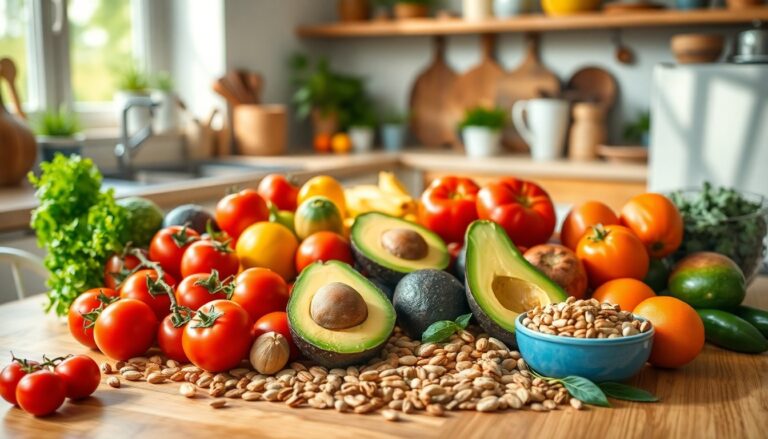
For those looking to lower their cholesterol through dietary means, several strategies can be effective. The first step is to reduce the intake of saturated fats, commonly found in red meat and full-fat dairy products. Instead, incorporating healthy fats from sources like avocados, nuts, and olive oil can be beneficial.
Another important aspect of improving cholesterol levels involves increasing the intake of soluble fiber. Foods such as oats, beans, lentils, and fruits like apples and pears are rich in this type of fiber, which helps absorb cholesterol and remove it from the body. A balanced diet that includes plenty of vegetables, whole grains, and legumes can significantly impact cholesterol management.
Consultation and lifestyle changes
While dietary changes can be effective, it is advisable to consult a healthcare professional for personalized advice. A doctor can provide insights tailored to specific health needs and may suggest additional lifestyle modifications, such as regular exercise and weight management. Incorporating physical activity not only helps with weight control but also boosts HDL cholesterol levels.
The journey to lowering high cholesterol does not have to rely solely on medications. By adopting a healthier lifestyle and making conscious dietary choices, individuals like Mike have successfully managed their cholesterol levels. These changes enhance heart health and contribute to overall well-being. Every small adjustment can lead to significant health benefits.
