

Enhancing Health and Balance in Older Women Through Dance Participating in dance activities can greatly enhance physical health and improve balance in older women, effectively lowering the risk of falls.
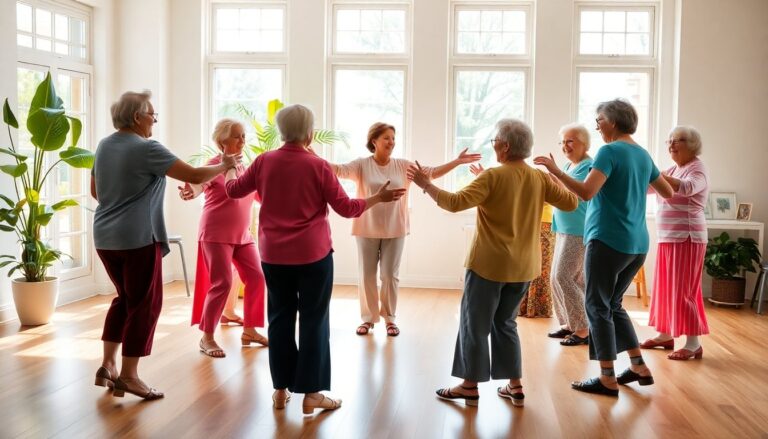
As individuals age, maintaining physical health and balance becomes increasingly crucial, particularly for women. Research indicates that an enjoyable and effective way to support these aspects is through dancing. This form of movement not only serves as a stimulating pastime but also enhances overall well-being.
Studies focusing on older women have shown that regular participation in dance classes can lead to significant improvements in balance, thereby reducing the risk of falls.
In a study spanning twelve weeks, a group of women took part in online dance classes, meeting twice a week.
The results were revealing, demonstrating how this engaging form of exercise can be both enjoyable and beneficial. The findings emphasize the importance of incorporating physical activities that resonate with participants, transforming exercise from a chore into a celebration of movement.
Physical benefits of dance for older women
The physiological benefits of dance are extensive and impactful. Primarily, dance enhances muscular strength and flexibility, both essential for maintaining stability as one ages. Engaging in rhythmic movement promotes better coordination and balance, significantly reducing the likelihood of falls, a major concern for older individuals.
Improving balance and coordination
As women engage in dance, they develop the ability to adjust their movements in relation to their surroundings. This adaptability is vital for fall prevention. Dance encourages the body to respond to weight shifts and positional changes, thereby enhancing proprioception, the sense of self-movement and body position. As these skills improve, older women may navigate their environments with increased confidence.
Moreover, the social aspect of dance should not be underestimated. Participation in group classes fosters a sense of community and belonging, providing emotional support and encouragement. This social interaction increases the likelihood of individuals adhering to their exercise routines. The combination of physical exertion and social engagement creates a holistic approach to health, addressing both body and mind.
Cognitive and emotional advantages
In addition to physical benefits, dance positively influences cognitive function and emotional health. Learning new dance routines stimulates the brain, promoting neuroplasticity, the brain’s ability to reorganize itself by forming new neural connections. This is particularly beneficial for older adults, as it helps combat cognitive decline.
Enhancing mood and mental health
Furthermore, engaging in dance releases endorphins, often referred to as the body’s natural mood enhancers. This can lead to elevated feelings of happiness and decreased symptoms of anxiety and depression. Dance provides an outlet for self-expression and creativity, allowing individuals to connect with their emotions and improve their overall emotional well-being. Consequently, older women participating in dance classes frequently report feeling more vibrant and alive.
Embracing dance for a healthier future
The findings from the study of older women participating in dance classes convey an important message: embracing dance can yield significant health benefits. It not only enhances physical stability and reduces the risk of falls but also fosters cognitive engagement and improves emotional health. As we explore ways to promote health and vitality among aging populations, incorporating dance into fitness regimens may emerge as a joyful and effective strategy.
Communities must recognize the value of such programs and encourage participation among older adults. By doing so, we can cultivate an environment where dance serves as a powerful tool for health, connection, and joy in later life.
