

Professional Summary Dynamic and results-oriented professional with extensive experience in security analysis and international relations. Proven track record of effectively assessing and addressing escalating tensions, particularly in high-stakes environments such as the Tajikistan-Afghanistan border. Adept at fostering urgent discussions on security protocols and compliance with international obligations to enhance regional stability. Key Skills Security Analysis Conflict Resolution...
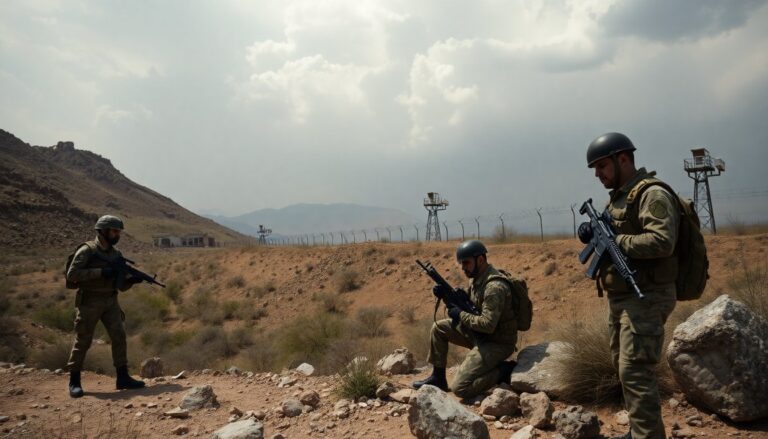
Armed confrontations have escalated along the Tajikistan-Afghanistan border, with a recent clash resulting in the deaths of five people. The Tajik border protection agency labeled this incident as part of a concerning trend of violence that has developed in recent weeks.
This ongoing situation threatens local security and raises critical questions regarding the Taliban’s governance and their ability to uphold commitments to regional stability.
Details of the recent border clash
On a recent Tuesday, armed individuals from Afghanistan entered the Tajik village of Kavo in the Shamsiddin Shokhin district.
Tajik authorities reported that these intruders launched an attack on a border guard post, resulting in the deaths of two Tajik border guards. During the subsequent gunfight, three assailants were also killed. This incident marks the third confrontation in a short span, highlighting the increasing violence in the region.
Weapons and intentions
The border agency revealed that the attackers were armed with an alarming variety of weapons, including grenades, rifles, and military-grade ammunition. This cache was recovered at the scene, indicating a meticulously planned assault rather than a spur-of-the-moment act of violence. The agency’s statement underscored that the assailants disregarded orders to surrender, implying a premeditated intention to launch an attack against Tajik security forces.
Implications for regional security
Recent events underscore the challenges Tajikistan faces in securing its borders. The situation has been exacerbated by the Taliban’s inability to effectively manage security. Tajik authorities have expressed concerns about the Taliban’s failure to fulfill its commitments to maintain peace along the shared border. This statement criticizes the Afghan government for its responsibility in preventing violent incursions and ensuring the safety of both nations.
Broader regional consequences
The clash has broader implications, particularly for foreign nationals in the area, including Chinese citizens working for mining companies. The violence endangers border security personnel and international workers alike. This instability may lead to decreased foreign investment and undermine economic stability in the region.
Future responses and security measures
The Tajik government has asserted its commitment to safeguarding its territorial integrity against what it describes as terrorists and smugglers. This stance suggests a potential increase in military presence and enhanced cooperation with international partners to strengthen border security. Additionally, the prospect of re-evaluating the involvement of Russian forces in the region may arise as Tajikistan seeks to bolster its defenses.
As these developments unfold, the international community is observing closely. Afghanistan has not yet issued an official response to the incident, leaving the door open for potential diplomatic tensions. It is essential for both nations to pursue constructive dialogue to address the underlying causes of such conflicts.
The recent events at the Tajikistan-Afghanistan border underscore the urgent need for improved security measures and a reinforcement of international commitments to peace. Continued instability and violence in the region may arise without a unified effort to address these pressing issues.
