

Recent Security Concerns at the Tajik-Afghan Border Recent incidents at the Tajik-Afghan border have heightened concerns regarding security and international relations. These attacks underscore the pressing need for enhanced border security measures and diplomatic engagement in the region. The implications of these events may affect not only local stability but also broader geopolitical dynamics.
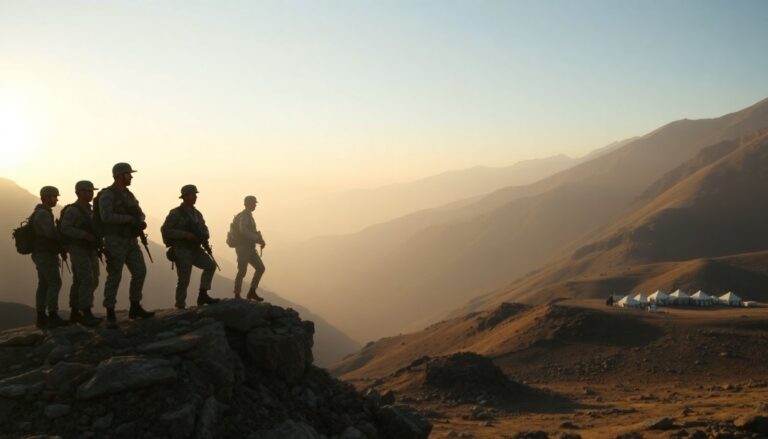
The border between Tajikistan and Afghanistan is experiencing a rise in armed conflicts, raising significant concerns regarding safety and diplomatic relations. The Tajik government has reported several incursions this month, with clashes resulting in multiple fatalities and disturbances along the mountainous frontier.
These incidents have not only strained Tajikistan’s relationship with the Taliban but have also raised alarms for foreign entities, particularly Chinese businesses operating in the region. Understanding the intricacies of these border skirmishes is essential for grasping the broader implications for Central Asia.
Recent border clashes and their implications
In the latest series of confrontations, Tajik authorities reported that at least five individuals were killed in the Shamsiddin Shokhin district, including three men labeled as “terrorists.” This marks the third such incident in the past month stemming from Afghanistan’s Badakhshan province.
The Tajik government has described these incursions as evidence of the Taliban‘s inability to control its territory and uphold security commitments.
Security challenges and terrorist threats
The Tajik State Committee for National Security disclosed that the recent attack involved armed individuals who crossed the border and opened fire on Tajik border guards. Following the skirmish, officials seized a variety of weapons, including M-16 rifles and hand grenades, indicating a well-armed opposition likely affiliated with terrorist groups.
These attacks are particularly concerning for Tajikistan, which shares a 1,340 km (830-mile) border with Afghanistan. The Tajik government has long been wary of the Taliban’s resurgence, fearing it could lead to increased instability in the region. The government has demanded that the Taliban take responsibility for these incursions and ensure the safety of its citizens.
Impact on Chinese investments
A significant aspect of this border conflict is its impact on Chinese investments in Tajikistan. As the largest creditor and a key economic partner for Tajikistan, China has a substantial stake in the region, particularly in infrastructure and mining projects. The recent violence targeting Chinese nationals, including drone attacks on Chinese mining operations, has prompted Beijing to issue warnings to its citizens in Tajikistan.
Chinese nationals under threat
In late November, two separate attacks on Chinese workers resulted in fatalities, raising alarms about the safety of foreign nationals in the area. The Chinese embassy in Dushanbe has urged businesses to evacuate, reflecting Beijing’s concern over the security of its investments. Observers believe these attacks may be orchestrated by the ISIS affiliate in Khorasan Province, which aims to undermine the Taliban’s credibility and create chaos.
The ongoing violence serves as a reminder of the complex security landscape in Afghanistan and its spillover effects on neighboring countries. Analysts emphasize the need for the Taliban to demonstrate its capability to maintain order, as failure to do so could jeopardize its relations with foreign governments and investors.
Historical context and current dynamics
The relationship between Tajikistan and the Taliban has been fraught with tension and mistrust. Historically, Tajikistan has opposed the Taliban’s rise, having previously allied with the anti-Taliban Northern Alliance during the 1990s. Since the Taliban regained control of Afghanistan, Tajikistan has been reluctant to officially recognize the new regime, although some diplomatic engagement has occurred due to mutual security concerns.
Despite attempts at dialogue, both nations continue to accuse each other of harboring terrorist elements. The Tajik-Afghan border has long been a route for drug trafficking, complicating the security situation even further. The recent uptick in cross-border violence raises questions about the Taliban’s ability to fulfill its commitments to prevent such activities.
These incidents have not only strained Tajikistan’s relationship with the Taliban but have also raised alarms for foreign entities, particularly Chinese businesses operating in the region. Understanding the intricacies of these border skirmishes is essential for grasping the broader implications for Central Asia.0
