

Headline: President Trump's Strategic Military Action Against ISIS in Nigeria Summary: In a decisive action, President Trump has ordered a targeted military strike against ISIS in Nigeria. This move is in response to the escalating violence against Christian communities in the region, highlighting the administration's commitment to combating terrorism and protecting religious freedom. Key Points: Military Strike: President Trump's directive involves a focused military operation aimed at...
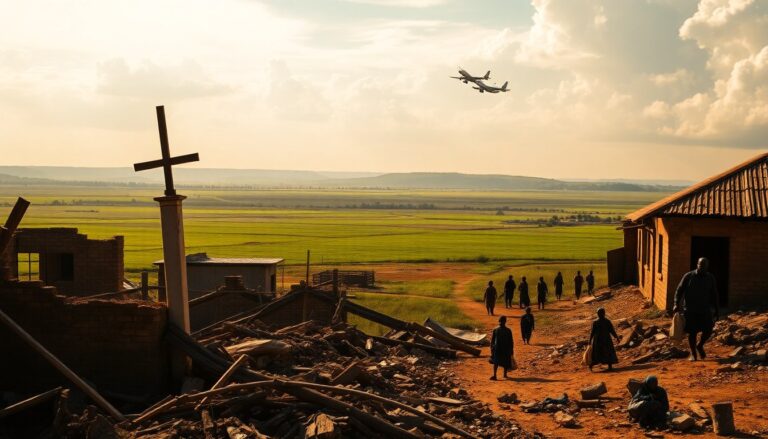
On Christmas Day, President Donald Trump announced that the United States has launched a military strike against Islamic State forces in Nigeria. This decision follows reports of escalating violence against the Christian community, prompting the president to act in defense of religious freedoms.
Trump made the declaration via social media, emphasizing the severity of the attacks. He stated that ISIS has been ‘targeting and viciously killing’ innocent Christians at unprecedented levels. The remarks highlight both his administration’s stance on international terrorism and the ongoing religious strife in Nigeria.
Military action and its implications
The operation, executed with support from Nigerian authorities, aimed to eliminate key ISIS operatives in Soboto State. While details of the strike remain limited, U.S. Africa Command later confirmed that multiple terrorists were neutralized during the operation.
In a statement, Trump expressed determination to combat what he termed ‘terrorist scum’, asserting that such actions are necessary to protect both American interests and vulnerable populations abroad. He declared, ‘Our Country will not allow Radical Islamic Terrorism to prosper,’ reaffirming the U.S. commitment to global security.
Responses from Nigeria and the U.S. government
The Nigerian government acknowledged the violence against Christians but noted that extremists have also targeted individuals of other faiths. This multifaceted conflict involves religious tensions and socio-economic factors, such as resource disputes between farmers and herders. The situation is further complicated by groups like Boko Haram, known for their radical interpretation of Islam and violent campaigns against both Christians and Muslims.
In response to criticism regarding Nigeria’s handling of the situation, Trump had previously ordered the Pentagon to prepare military options. This decisive action aligns with recent designations by the U.S. State Department, which classified Nigeria as a ‘Country of Particular Concern’ due to significant violations of religious freedoms.
Future military strategies and implications
The recent strike signals a renewed U.S. commitment to addressing terrorist threats but raises questions about the future presence of American military forces in Africa. The diminishing footprint of U.S. military operations on the continent has raised concerns about the ability to respond effectively to crises like the one in Nigeria. Any further interventions may require reallocating resources from other global engagements, complicating U.S. military strategy.
Trump’s administration has indicated that more actions may follow if the violence persists. Defense Secretary Pete Hegseth echoed Trump’s sentiments on social media, stating that the killing of innocent Christians must cease and expressing gratitude for the collaboration of the Nigerian government in this operation.
The broader context of violence in Nigeria
Nigeria, home to approximately 220 million people, features a diverse religious landscape, with Christians and Muslims nearly evenly divided. However, the country has long struggled with insecurity stemming from various extremist groups and inter-communal conflicts, affecting both religious communities and resulting in countless lives lost in recent years due to extremist activities.
As the situation in Nigeria evolves, Trump’s administration faces the challenge of balancing military response with diplomatic efforts aimed at fostering peace and stability. The call for action amidst religious persecution underscores the complexities of U.S. foreign policy in addressing global humanitarian crises while maintaining national security.
