Military Action Against ISIS in Nigeria: A Strategic Response to Rising Religious Persecution Under Trump's Administration During the Trump administration, significant military actions were undertaken to combat ISIS in Nigeria, highlighting a proactive strategy in response to escalating tensions surrounding religious persecution. This initiative aimed to dismantle terrorist strongholds and protect vulnerable communities facing violence due to their beliefs. Through targeted operations and...
Topics covered
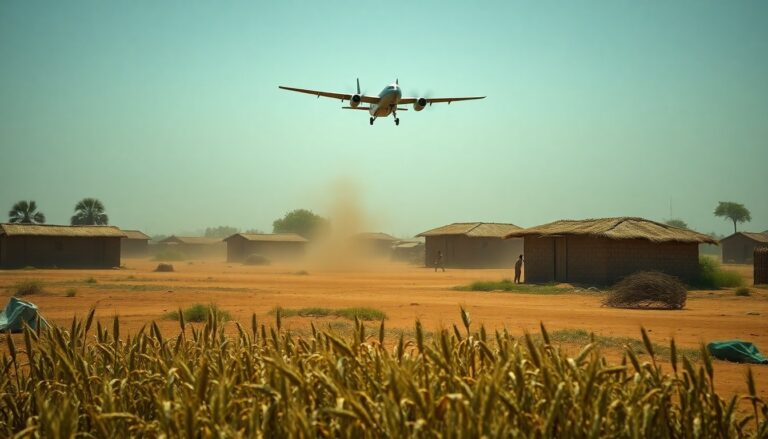
On Christmas Day, US President Donald Trump announced a decisive military operation against ISIS in northwestern Nigeria. This action follows a series of allegations regarding the persecution of Christians by ISIS militants in the region. The airstrike is described as a powerful and deadly response to ongoing violence that has reportedly targeted innocent individuals, primarily Christians.
Trump’s statement emphasized the US’s commitment to combating terrorism and protecting vulnerable communities.
The operation, conducted by the US Africa Command (AFRICOM), was executed in coordination with Nigerian authorities. Reports suggest that the airstrike resulted in the death of multiple ISIS fighters and sent shockwaves through the local population, with witnesses describing buildings shaking and the sky glowing red from the explosions.
This military action underscores the complex security landscape in Nigeria, where both Christian and Muslim communities have faced violence from various armed groups.
The context of the airstrike
In recent months, the Trump administration has expressed increasing concern over the situation in Nigeria, particularly regarding the treatment of Christians.
Trump has characterized the violence as a genocide, claiming that ISIS militants have been targeting Christians with unprecedented brutality. This narrative has resonated with conservative audiences in the US, prompting calls for stronger military engagement in the region.
However, the Nigerian government has contested the portrayal of the conflict as purely sectarian. Officials argue that violence affects both Muslims and Christians, driven by a mix of factors including criminal activity and extremist ideologies. Nigerian Foreign Minister Yussuf Tuggar reiterated that the country is collaborating with international partners, including the US, to address the threat of terrorism and protect all citizens, regardless of their faith.
Local reactions to the airstrikes
Following the airstrikes, residents of the affected areas expressed alarm and confusion. For many, the attack was unprecedented, as local communities have not previously experienced such military actions against ISIS. Abubakar Sani, a resident of Jabo, recounted the terrifying moments leading up to the strike, describing an intense heat and shaking of their homes. This sentiment was echoed by other locals, who called on the Nigerian government to enhance security measures to protect civilians.
The implications of US involvement
Trump’s administration has signaled that this military operation is only the beginning, with Defense Secretary Pete Hegseth hinting at potential further actions. The US’s involvement in Nigeria raises questions about the effectiveness of military solutions in addressing the deeply rooted issues surrounding violence and religious persecution. Critics argue that such strikes may lead to unintended consequences, including civilian casualties and further destabilization.
In response to the strikes, Nigerian military officials have stated that they acted based on credible intelligence, asserting that the operation was necessary to counter ISIS’s influence and prevent the expansion of extremist groups in the region. The collaboration between the US and Nigerian forces highlights the ongoing efforts to combat terrorism in West Africa, a region increasingly affected by violence attributed to both banditry and organized terrorism.
Broader implications for US foreign policy
Trump’s focus on the plight of Christians in Nigeria is part of a broader strategy to engage evangelical voters who are concerned about religious freedom worldwide. The designation of Nigeria as a Country of Particular Concern under the International Religious Freedom Act reflects the administration’s commitment to addressing these issues. However, experts warn that framing the conflict solely in religious terms may overlook the complexities of the situation, where both Christians and Muslims have suffered from violence.
As the situation evolves, the international community will be watching closely to see how US military involvement in Nigeria unfolds and whether it effectively addresses the underlying causes of violence and persecution. The balance between military action and diplomatic engagement will be crucial in determining the future stability of Nigeria and the broader region.