

Explore the vital connection between sports participation, head injury prevention, and the reduction of dementia risk.
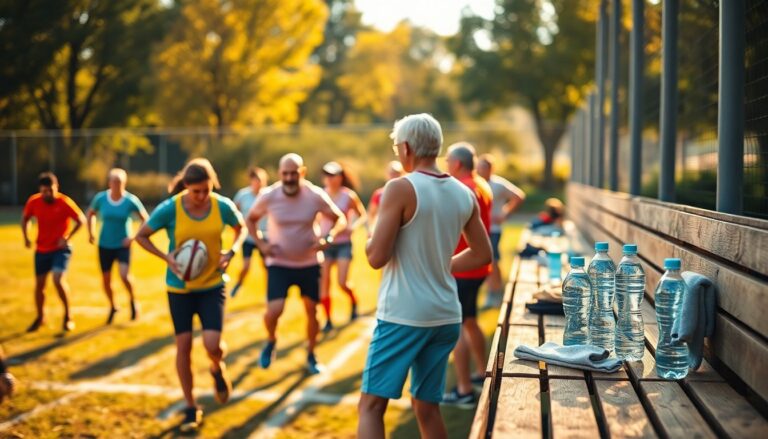
Dementia is an escalating global issue, with estimates indicating that approximately 45% of cases could potentially be avoided. This finding originates from the 2025 Lancet Commission, which identified 14 modifiable risk factors, including traumatic brain injury (TBI). As we examine the effects of sports on cognitive health, it is essential to balance the risks associated with certain high-impact sports against the overall benefits of physical activity.
Sports such as rugby, boxing, and football have been associated with heightened risks of TBI, whereas regular exercise is known to improve memory and cognitive functions. The challenge lies in mitigating these risks while promoting the health advantages of an active lifestyle.
The dual nature of sports participation
Participation in sports can yield both physical and mental benefits, yet certain activities may present risks to long-term brain health. Evidence suggests that while engaging in high-contact sports can increase the likelihood of experiencing TBI, consistent exercise is vital for preserving cognitive health.
Identifying risks associated with head injuries
Research shows that individuals who suffer from TBI are about 50% more likely to develop dementia compared to those without such injuries. Notably, a condition known as chronic traumatic encephalopathy (CTE) has been identified in former athletes, particularly those in contact sports. For instance, each additional year spent playing American football raises the risk of CTE by 15%.
While studies often focus on elite male athletes, they do not encompass the diverse demographics involved in sports, such as women and children, who may face varying levels of risk related to TBI.
Public health priorities and preventative measures
To address the risks of dementia, it is crucial to prioritize public health initiatives aimed at reducing TBI. Sporting organizations are well-positioned to implement effective measures that protect athletes while promoting safe play. This includes limiting practices that involve heading the ball in sports like football and ensuring players return only after fully recovering from any head injuries.
Advocating for research and funding
There is an urgent need for dedicated funding to support research that explores the connection between sports, TBI, and dementia prevention. Establishing an international consortium to standardize research methods and develop biomarkers for detecting TBI would enable the sports community to take proactive steps in understanding and mitigating risks.
Initiatives such as the FIELD study, which examines dementia rates among former professional footballers compared to the general population, are essential for grasping the long-term effects of sports participation on brain health.
Recent advancements in concussion management
Significant progress has been made in concussion management, including the introduction of the UK’s first nationwide concussion guidelines for grassroots sports in 2025. These guidelines aim to improve the identification and management of head injuries, enhancing the overall safety of participants.
Despite the advancements, gaps remain in our understanding of the long-term effects of TBIs across various sports. Ongoing evaluations and research are necessary to develop a comprehensive understanding of how to protect athletes from potential neurological damage.
Future directions for research
Sports such as rugby, boxing, and football have been associated with heightened risks of TBI, whereas regular exercise is known to improve memory and cognitive functions. The challenge lies in mitigating these risks while promoting the health advantages of an active lifestyle.0
Sports such as rugby, boxing, and football have been associated with heightened risks of TBI, whereas regular exercise is known to improve memory and cognitive functions. The challenge lies in mitigating these risks while promoting the health advantages of an active lifestyle.1
