

Explore the Complexities of Safe and Legal Pathways for Refugees in the UK.
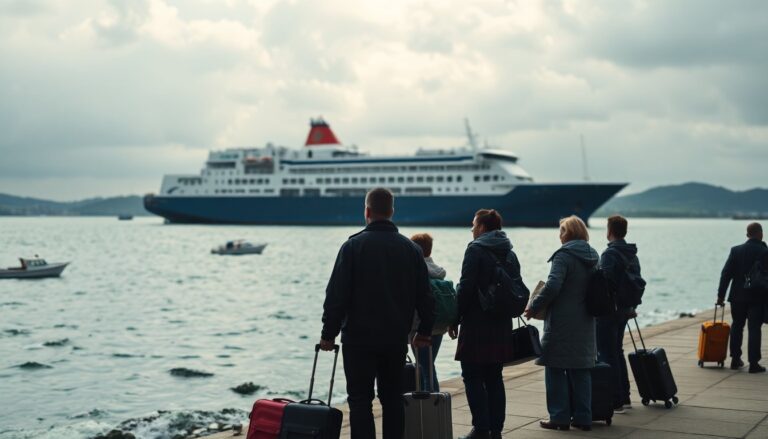
The ongoing debate surrounding the refugee crisis often highlights the term safe and legal routes, which government officials frequently use to justify stringent immigration policies. This narrative suggests that asylum seekers should rely on designated pathways rather than undertaking perilous journeys to reach the UK, such as crossing the English Channel in small boats.
This article will explore the specific routes available for refugees to legally enter the UK, the process for accessing these options, and the rights granted to those who successfully navigate these systems. Additionally, we will analyze trends in asylum applications during this timeframe to understand the impact of these designated pathways.
Overview of resettlement schemes
Several bespoke resettlement initiatives were established in collaboration with the United Nations High Commissioner for Refugees (UNHCR) and the UK government. The main schemes include the UK Resettlement Scheme (UKRS), the Community Sponsorship Scheme, and the Mandate Resettlement Scheme.
Each program relies on the UNHCR to identify eligible individuals for resettlement.
UK resettlement scheme
Under the UK Resettlement Scheme, the UNHCR conducts interviews with individuals who have pressing resettlement needs. They evaluate whether the person qualifies as a refugee and subsequently refer them to the UK, provided they meet the established criteria. This scheme also includes unaccompanied minors.
However, the current status of the UKRS is uncertain, as debates in parliament indicated a halt to new referrals. The government mentioned a lack of agreement on quotas for the year, and a vague announcement suggested that resettlement numbers would remain limited, potentially falling into the “low hundreds.”
Community sponsorship scheme
Working alongside the UK Resettlement Scheme is the Community Sponsorship Scheme. This initiative allows local community groups to support refugee families as they transition into life in the UK. These groups are responsible for providing housing for a minimum of two years and assisting with essential services, such as language classes, healthcare, and job support.
Before submitting applications to the Home Office, community sponsors must obtain consent from local authorities. Once a family is matched with a sponsor and arrangements are made, the family typically arrives within six to twelve weeks, having been identified by the UNHCR through the same referral process as the UKRS.
Additional pathways for refugees
The Mandate Resettlement Scheme is specifically designed for refugees recognized by the UNHCR who have family ties in the UK. This option is limited to close relatives—such as children, spouses, or elderly parents—of individuals already settled in the UK. Unfortunately, the number of approvals under this scheme is minimal, with only a handful of grants awarded in recent years.
Once individuals are accepted into the UK through these resettlement schemes, they initially receive a six-month leave outside the rules, enabling their entry into the country. Following this, they are granted indefinite leave to remain and refugee status upon arrival.
Challenges in family reunion pathways
Previously, refugees holding status in the UK could apply to reunite with family members through the Family Reunion application process. However, changes implemented have made it significantly harder for these family members to travel to the UK safely. Family reunification has historically been a crucial route for refugees to reunite with loved ones.
This article will explore the specific routes available for refugees to legally enter the UK, the process for accessing these options, and the rights granted to those who successfully navigate these systems. Additionally, we will analyze trends in asylum applications during this timeframe to understand the impact of these designated pathways.0
Impact of recent immigration routes
This article will explore the specific routes available for refugees to legally enter the UK, the process for accessing these options, and the rights granted to those who successfully navigate these systems. Additionally, we will analyze trends in asylum applications during this timeframe to understand the impact of these designated pathways.1
This article will explore the specific routes available for refugees to legally enter the UK, the process for accessing these options, and the rights granted to those who successfully navigate these systems. Additionally, we will analyze trends in asylum applications during this timeframe to understand the impact of these designated pathways.2
This article will explore the specific routes available for refugees to legally enter the UK, the process for accessing these options, and the rights granted to those who successfully navigate these systems. Additionally, we will analyze trends in asylum applications during this timeframe to understand the impact of these designated pathways.3
