

Significant Scottish Coin Rediscovered: A Metal Detector Enthusiast's Chance Discovery Rescues Historical Treasure
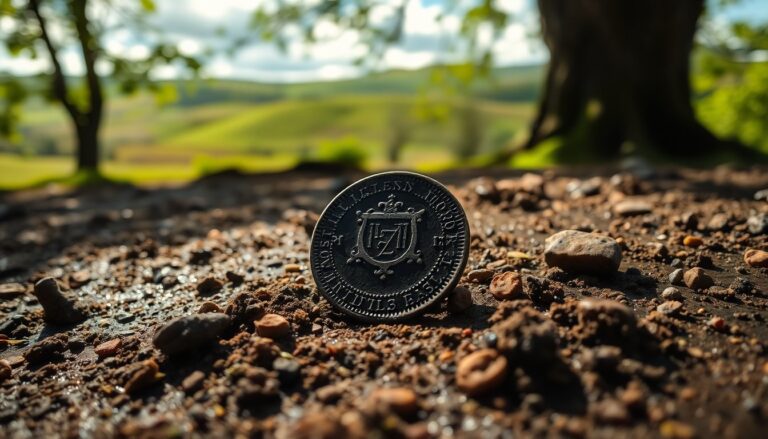
The discovery of Scotland’s oldest coin
Scotland’s oldest known coin is now secured for public display, following its discovery by a metal detectorist. This ancient artifact originates from the reign of King David I, recognized for establishing Scotland’s first coinage system between 1124 and 1153.
This find underscores Scotland’s rich currency history and the necessity of preserving such artifacts for future generations.
The significance of the coin
This coin exemplifies early Scottish minting practices and serves as a tangible connection to the nation’s past.
It is intriguing to reflect on how this small piece of metal once circulated, facilitating trade and commerce in an era long before the advent of modern banking systems.
The historical significance of the coin
This coin is not merely a relic; it represents a significant development in Scottish history.
King David I’s introduction of a formalized currency marked a critical step toward establishing a more organized economic structure within the kingdom. Before this, trade relied on bartering, which, while functional, lacked the efficiency of a standardized monetary system.
The impact of this coin goes beyond economic implications. It symbolizes the evolution of Scotland as a nation, reflecting changes in governance, trade practices, and societal norms. By introducing coinage, the king was able to assert control over the economy and facilitate the growth of commerce within his realm.
The historical significance of the coin
The design and craftsmanship of the coin illuminate the era it represents. Minting techniques in the 12th century were basic compared to modern methods, yet they highlight the artistry and skills of contemporary craftsmen. Each coin was hand-struck, resulting in unique pieces. The imagery and inscriptions on the coin conveyed messages of power and legitimacy, reinforcing the monarchy’s authority.
This coin serves as a time capsule, offering insights into the daily lives of medieval Scots. It illustrates their interactions with the economy and the monarchy. The recovery and preservation of this artifact represent a significant achievement for historians and enthusiasts, facilitating a deeper understanding of Scotland’s historical narrative.
The discovery process
The unearthing of this coin, now part of a museum exhibit, originated with a metal detectorist in Scotland. This serendipitous find illustrates the significant role of amateur archaeology in revealing hidden historical treasures. As interest in metal detecting increases, enthusiasts are contributing valuable artifacts that enhance our understanding of the past.
After locating the coin, the detectorist responsibly reported the discovery to the appropriate authorities. In Scotland, the Treasure Trove system is in place to evaluate and preserve valuable historical items. This system typically allows the finder to receive a reward while ensuring that the artifact is protected for public benefit. Such practices emphasize the crucial role of community engagement in the preservation of heritage.
The significance of preservation
Due to the diligent efforts of the finder and the support from historians and curators, this coin is now publicly displayed. Its preservation provides an educational resource for visitors and highlights Scotland’s rich cultural heritage. This coin inspires future generations, fostering curiosity about the past and the narratives behind such artifacts.
Additionally, this discovery has ignited renewed interest in Scotland’s early history. Scholars and enthusiasts are now exploring the era of King David I and the broader implications of his reign. This coin transcends mere currency; it symbolizes a nation’s identity and evolution.
The recovery and preservation of Scotland’s earliest coin highlights the vital connection between history, community involvement, and responsible archaeology. This discovery serves as a reminder that historical artifacts can emerge from the most unexpected locations, each telling a unique story.
