

Proactively respond to flood situations by acquiring knowledge of emergency alerts and implementing effective safety measures.
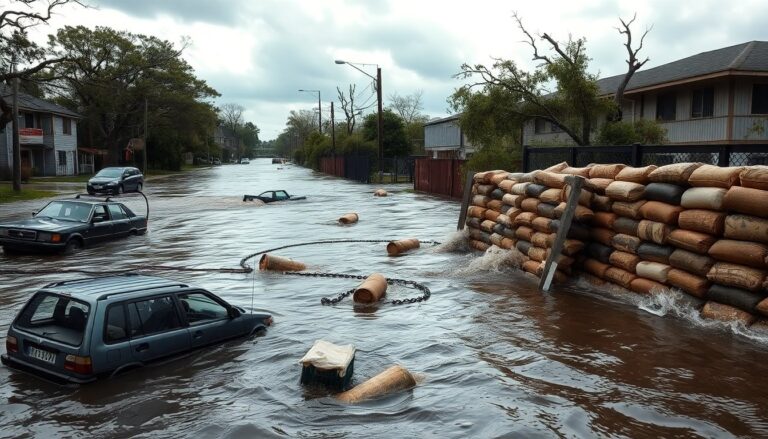
Flooding can pose serious risks to life and property, making it essential for individuals to stay informed about potential threats. This article provides a clear understanding of flood alerts, the resources available for monitoring flood levels, and how to respond effectively when warnings are issued.
Understanding the different categories of flood warnings is crucial for taking appropriate action. Whether you are a resident in flood-prone areas or simply want to be prepared, keeping track of weather forecasts and alerts can significantly enhance your safety.
Types of flood alerts
Flood alerts generally fall into two main categories: flood warnings and flood alerts. Each type serves a specific purpose and conveys a different level of urgency.
Flood warnings
A flood warning indicates that flooding is imminent or already occurring in your area.
This alert requires immediate attention, as it means that conditions are severe enough to pose a risk to life and property. Stay tuned to local news outlets or official government resources for up-to-date information.
Flood alerts
Conversely, a flood alert signals that while flooding is not currently happening, conditions are right for it to occur. This warning serves as a precautionary measure, urging residents to prepare for potential flooding. Regularly checking reliable sources can help you stay ahead of the situation.
How to stay informed
Staying informed during flooding events is crucial for your safety. Several resources and services can help you monitor flood conditions effectively. For instance, the Environment Agency provides a service called Flood Warnings Direct, allowing you to register for alerts via phone, text, or email. This free service ensures that you receive timely notifications about flood risks in your area.
Additionally, social media platforms like Facebook have dedicated apps, such as FloodAlerts, that can keep you updated with the latest flood information. Utilizing these tools enhances your ability to respond promptly to any changes in flood conditions.
Monitoring local river levels
Understanding the river levels in your vicinity can provide valuable insights into potential flooding risks. Websites like GaugeMap offer live updates on river levels, enabling you to track changes that could impact your area. You can also find real-time information on specific locations, such as Crew Green and Bridgnorth, which are prone to flooding.
For example, at the Welsh Bridge in Shrewsbury, you can view historical data to understand how different water levels have affected the area in the past. This information can help you formulate a plan should a flood warning be issued. Knowing the historical high water marks, such as the 5.25m recorded during the floods of November 2000, is crucial in assessing your risk.
Responding to flood alerts
When faced with a flood alert or warning, it’s essential to have a plan in place. This plan should include knowing your evacuation routes and having an emergency kit ready. Ensure that your kit includes essentials such as food, water, medications, and important documents.
Understanding the different categories of flood warnings is crucial for taking appropriate action. Whether you are a resident in flood-prone areas or simply want to be prepared, keeping track of weather forecasts and alerts can significantly enhance your safety.0
Understanding the different categories of flood warnings is crucial for taking appropriate action. Whether you are a resident in flood-prone areas or simply want to be prepared, keeping track of weather forecasts and alerts can significantly enhance your safety.1
