

Meeting Highlights: Trump and Netanyahu Discuss Shared Interests and Middle East Challenges In a recent meeting between former President Donald Trump and Israeli Prime Minister Benjamin Netanyahu, key topics were addressed concerning their mutual interests and the complex challenges facing the Middle East. This high-level discussion underscored the ongoing collaboration between the United States and Israel, focusing on strategic partnerships and regional stability. Key Discussion Points:...
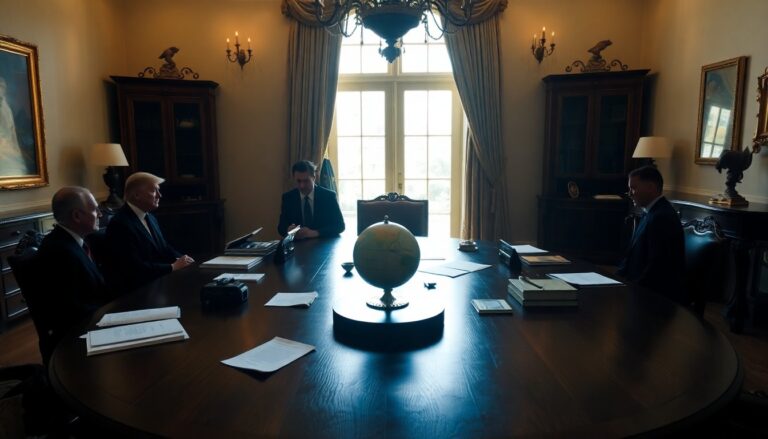
In a gathering at Mar-a-Lago, Florida, U.S. President Donald Trump and Israeli Prime Minister Benjamin Netanyahu displayed camaraderie while addressing pressing issues in the Middle East, particularly concerning Gaza and Iran. This meeting marked Netanyahu’s fifth visit to the U.S.
since Trump’s return to the presidency, underscoring the close ties between the two leaders as they navigate complex geopolitical landscapes.
The backdrop of increasing tensions in the region heightened the significance of their discussions. With the ongoing conflict in Gaza and the looming threat from Iran, both leaders seized this opportunity to reinforce their positions and outline their strategies moving forward.
Focus on disarmament and regional security
Central to the dialogue was Trump’s insistence that Hamas, the governing body in Gaza, must disarm. He issued a stark warning about the consequences of their refusal to relinquish their weapons, stating, “It would be horrible for them, horrible.
It’s going to be really, really bad for them.” This statement highlights the U.S. administration’s hardline stance against the group, which has faced criticism for its actions in the ongoing conflict.
Military action against Iran
Trump reiterated a commitment to countering Iran’s nuclear ambitions, suggesting that military action would be taken if the nation attempts to rebuild its nuclear program or enhance its missile capabilities. He stated, “If they are, we’re going to have to knock them down.” Such remarks reflect the U.S. policy of maintaining pressure on Iran to ensure that its military advancements do not pose a threat to Israel or its allies.
As the conversation progressed, Trump emphasized that recent U.S. airstrikes against Iranian targets played a critical role in establishing the ceasefire in Gaza. He claimed, “Now I hear that Iran is trying to build up again, and if they are, we’re going to have to knock them down,” illustrating his administration’s readiness to take decisive action if necessary.
U.S. support for Israel amidst criticism
Despite the ongoing violence in Gaza—where reports indicate that Israeli airstrikes have resulted in numerous casualties—Trump maintained that Israel was fulfilling its obligations under the current ceasefire agreement. He expressed unwavering confidence in Israel’s actions, declaring, “I’m not concerned about anything that Israel is doing.” This statement reflects the unconditional support that the U.S. has traditionally extended to Israel, even amid international scrutiny.
Additionally, Trump highlighted his administration’s efforts in securing a presidential pardon for Netanyahu, who is facing corruption charges in his home country. During their meeting, Netanyahu announced that Trump would be awarded the Israel Prize, a significant honor typically reserved for Israeli citizens, demonstrating the strong ties and mutual appreciation between the two leaders.
Future of U.S.-Israeli relations
While the meeting was filled with mutual praise, the dynamics between the two leaders have not always been smooth. Reports indicate frustrations from both sides; however, military and diplomatic support for Israel from the U.S. remains steadfast. This enduring alliance is crucial as both nations confront threats that challenge their security.
As discussions shifted toward Syria, Trump mentioned the potential for improved relations with the newly appointed Syrian president, indicating a desire for peace along the border. However, Netanyahu’s noncommittal stance on Israel’s approach to Syria points to the complexities that lie ahead in regional diplomacy.
The recent meeting between Trump and Netanyahu underscores the intricate web of alliances and tensions defining the Middle East. With both leaders committed to addressing security threats and navigating a challenging political landscape, their partnership is poised to play a crucial role in shaping the region’s future.
