

Humanitarian groups call for Britain to step up its efforts in addressing the dire situation in Sudan.
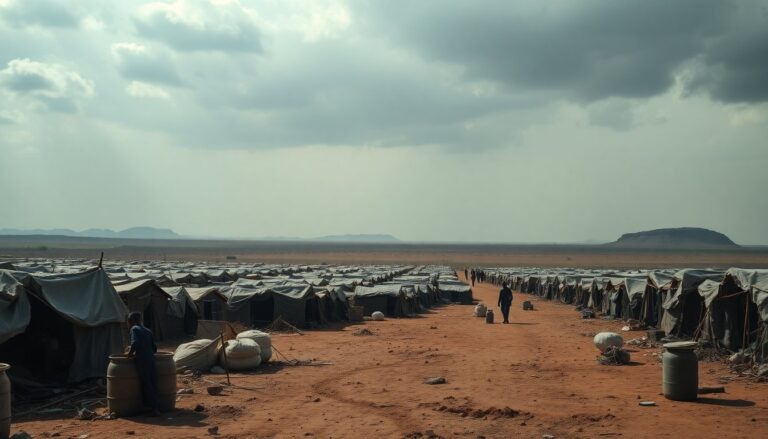
The ongoing humanitarian crisis in Sudan has reached alarming levels, with over 1,000 days of relentless conflict resulting in widespread suffering. Leading aid organizations are now appealing for immediate actions from Britain, emphasizing that they cannot tackle this situation alone.
The brutal reality on the ground includes mass atrocities, severe food shortages, and devastating violence.
As the humanitarian situation deteriorates, the urgent need for support becomes apparent. With reports of mass rape and ethnic violence, Sudan has become a focal point for international humanitarian efforts.
Charities are urging the British government to enhance its involvement, highlighting the critical role it can play in alleviating the suffering of millions.
Calls for action from aid organizations
Various humanitarian agencies are sounding the alarm, stating that the current frameworks are insufficient to address the scale of the crisis.
Organizations like the Start Network have been at the forefront of advocating for a more proactive approach towards humanitarian aid. They argue that without significant intervention, the situation will only worsen.
Innovative solutions for humanitarian challenges
In response to the escalating needs, the Start Network has proposed innovative strategies to enhance the efficiency of humanitarian responses. By leveraging technology and local partnerships, these organizations aim to address gaps in funding and support. They are striving for a system that prioritizes localized actions, recognizing that communities often have the best insights into their own needs.
This approach is particularly relevant in the context of climate change, which is exacerbating crises globally. The Start Network emphasizes the importance of integrating local knowledge and traditional practices into humanitarian efforts, especially in regions like Sudan, where local contexts are crucial for effective intervention.
The role of the international community
International bodies, including the European Union, have also recognized the need for coordinated action in Sudan. Recently, the EU’s Emergency Response Coordination Centre has mobilized resources to assist in the crisis. However, these efforts must be complemented by support from nations like Britain, which holds significant political and economic influence.
Humanitarian aid cannot be effectively delivered without the collaboration of international NGOs. As highlighted in recent reports, the presence of these organizations is vital to ensure that aid reaches those most in need. The absence of such support could lead to further loss of life and exacerbate existing humanitarian challenges.
Strategies for sustainable humanitarian action
To establish a more robust humanitarian response, agencies are calling for a shift towards more sustainable funding models. The Solidarity Fund proposed by the Start Network aims to provide rapid financial support to frontline organizations. This initiative seeks to fill critical funding gaps and ensure that essential humanitarian services can be maintained.
Moreover, the commitment to a locally-led humanitarian action framework is gaining traction. By empowering local organizations and communities, humanitarian responses can be more effective and culturally relevant. This localized approach is seen as a key factor in adapting to the unique challenges faced in regions like Sudan.
Conclusion: The need for immediate action
As the humanitarian crisis in Sudan continues to unfold, the urgency for action becomes increasingly clear. Leading charities are sounding the alarm, urging Britain and the international community to step up their efforts. The situation demands not only immediate humanitarian assistance but also a long-term commitment to creating a more equitable and effective humanitarian system.
In summary, the call to action from aid organizations is a critical reminder that the people of Sudan are facing immense challenges. With the right support and innovative strategies, it is possible to alleviate the suffering and pave the way for recovery. The time for action is now.
