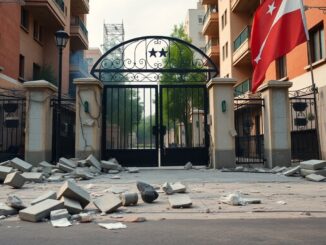
Resume of Situation in Kyiv: Urgent Evacuation Advisory Summary: Kyiv's residents are currently facing significant energy shortages as a result of ongoing Russian attacks. In light of these circumstances, authorities are recommending a temporary evacuation for the safety and well-being of citizens. Key Points: Urgent Advisory: Residents are advised to evacuate temporarily. Energy Crisis: Severe energy shortages affecting daily life. Safety Measures: Authorities emphasize the importance of...
Topics covered
The conflict between Russia and Ukraine is entering a critical phase as winter sets in. Recent developments in Kyiv highlight the dire situation faced by residents. With temperatures dropping below freezing, the war’s impact on the city’s infrastructure has intensified, prompting urgent calls for action from local officials.
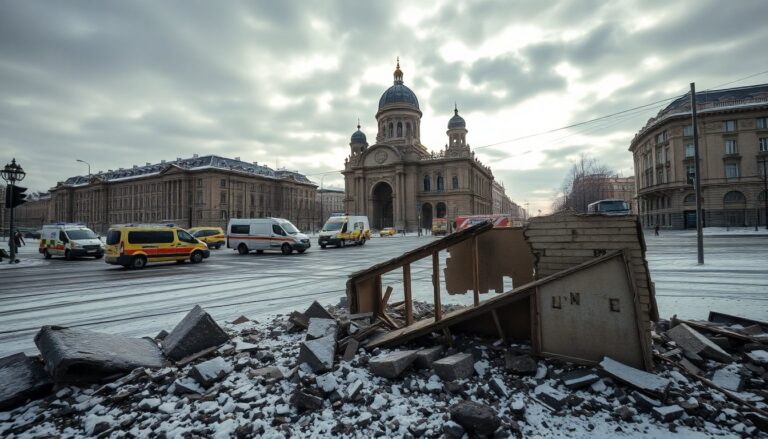
On January 9, a series of Russian strikes targeted Kyiv, resulting in significant casualties and extensive damage to essential services. Thousands of residents are now without basic utilities as the city grapples with the aftermath of sustained bombardment.
Recent developments in the conflict
The aftermath of the January 9 assault has been devastating. According to the Ukrainian State Emergency Service, the death toll has reached four, with 25 individuals injured, including emergency responders. The attacks targeted residential buildings and critical infrastructure, leaving approximately 6,000 apartment units without heat, water, and electricity, as confirmed by Kyiv’s mayor, Vitali Klitschko.
Challenges of winter in Kyiv
In the wake of the attacks, Mayor Klitschko has urged residents to consider leaving the capital temporarily. He pointed out that nearly half of the city’s apartment buildings are currently unable to provide heat, a situation worsened by the winter chill, with temperatures dipping to -10 degrees Celsius (14 degrees Fahrenheit). Klitschko’s recommendation, made as a precaution, suggests that those who can find warmth elsewhere should do so, although he clarified that this is not an official evacuation order.
The city is now facing an energy crisis, with about 500,000 households reported to be without power. Emergency protocols are in place as public services work tirelessly to restore heat and electricity.
International response and ongoing military action
The international community has expressed concern over the escalation of violence. Ukrainian President Volodymyr Zelenskyy has called for a robust global reaction to the recent attacks, emphasizing the need for a clear stance from the United States, which he believes holds significant influence over Russia’s actions. His statements reflect growing frustration with the lack of effective international intervention.
In addition to the strikes on Kyiv, Russian forces have also targeted other regions. In Kherson, a hospital was shelled, resulting in injuries to medical staff and damage to crucial healthcare facilities. The World Health Organization has condemned these attacks, highlighting the difficulties they pose for healthcare delivery during such a critical season.
Geopolitical ramifications
As military operations continue, the implications extend beyond immediate humanitarian concerns. The conflict has drawn in various international actors, with countries like Qatar expressing regret over damage to their embassy in Kyiv. Meanwhile, the UK has pledged significant financial support to prepare for potential troop deployments, indicating a shift in military strategy among Western allies.
The situation remains fluid, with ongoing assessments of military actions and their impact on local populations and global political dynamics. The combination of winter’s harshness and the relentless conflict raises the stakes for Ukraine, as residents confront not only military aggression but also the harsh realities of survival in a war-torn environment.