Winter Home Maintenance: Essential Tips for Keeping Your Home Warm and Pipes Intact 1. Insulate Your Home: Ensure that your windows and doors are properly insulated to prevent heat loss. Use weatherstripping and caulking to seal gaps. 2. Maintain Your Heating System: Schedule a professional tune-up for your heating system before the cold sets in. Change filters regularly to ensure efficient operation. 3. Keep Your Pipes Warm: Insulate exposed pipes in unheated areas, such as basements and...
Topics covered
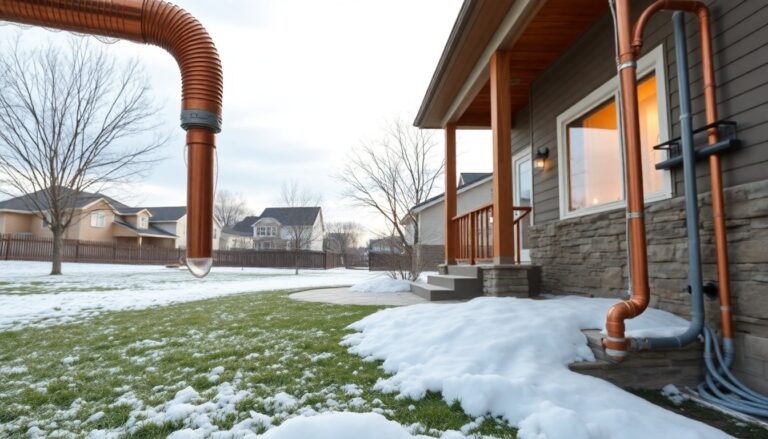
As winter approaches, homeowners must remain alert to the potential dangers posed by freezing temperatures, especially concerning plumbing systems. A common issue during this season is the risk of frozen pipes, which can lead to significant damage if not promptly addressed.
Understanding how to prepare your home can save you from costly repairs and ensure a comfortable living environment.
When temperatures drop, pipes can freeze and even crack, resulting in serious damage to both plumbing and heating systems. While online sources may suggest quick fixes, experts caution that attempting to thaw frozen pipes without proper knowledge can worsen the problem and cause bursts.
Consulting a qualified professional is the safest approach.
Preventive measures for avoiding burst pipes
Fortunately, several proactive measures can protect your plumbing during cold weather. One effective method is to insulate your pipes, particularly those located outdoors or in unheated areas.
Experts recommend using insulating materials known as lagging, which should be at least 5mm thick. This additional layer of protection significantly decreases the likelihood of freezing.
Pay special attention to exposed pipes that are particularly vulnerable to the elements, especially in roof spaces, attics, and other areas prone to extreme cold. Insulating these pipes can prevent them from freezing and bursting, which could lead to costly water damage.
Regular maintenance of your heating system
In addition to insulating pipes, ensuring that your boiler functions efficiently is vital. Regular servicing is key to maintaining optimal heating throughout your home. David Doran, a plumbing expert, recommends having your boiler inspected annually to guarantee safe and effective operation.
Annual maintenance checks can identify potential issues such as leaks or blockages and ensure that the system operates safely. Regular servicing can also improve energy efficiency, leading to lower utility bills and compliance with many warranties and insurance policies.
Setting the ideal temperature for your home
When temperatures drop, it may be tempting to increase the heat excessively. However, experts suggest that the ideal thermostat setting should be between 18 to 20°C (64 to 68°F). By maintaining a minimum of 18°C, you can keep your pipes warm enough to prevent freezing without overburdening your heating system. Many modern heating systems also feature a frost protection mode that maintains a safe indoor temperature while minimizing energy use.
If you plan to be away from home during winter months, do not turn off your heating entirely. Instead, consider lowering the thermostat to around 15 to 17°C (59 to 63°F) when the house is empty or while you sleep. This adjustment can help conserve energy while still protecting your plumbing from freezing.
Know your stopcock location
In the unfortunate event of a burst pipe, knowing how to quickly shut off your water supply is essential. The stopcock—the valve that controls your water supply—is typically located beneath the kitchen sink, though it may also be found in other areas such as the bathroom or basement. Familiarize yourself with its location and practice turning it off by twisting it clockwise to halt the water flow.
As Angela Kerr from HomeOwners Alliance emphasizes, being prepared can significantly minimize water damage. If you encounter a burst pipe due to the cold, immediate access to your stopcock can save you from extensive repairs.
When temperatures drop, pipes can freeze and even crack, resulting in serious damage to both plumbing and heating systems. While online sources may suggest quick fixes, experts caution that attempting to thaw frozen pipes without proper knowledge can worsen the problem and cause bursts. Consulting a qualified professional is the safest approach.0