

Headline: Trump's Warning of Potential Military Action Amid Escalating Protests in Iran, Reflecting Severe Economic Distress Summary: As protests surge across Iran, President Trump's warning regarding potential military intervention underscores the nation’s escalating unrest and profound economic challenges. The situation highlights the intersection of geopolitical tensions and domestic dissatisfaction, showcasing the urgent need for international attention and strategic response. Key...
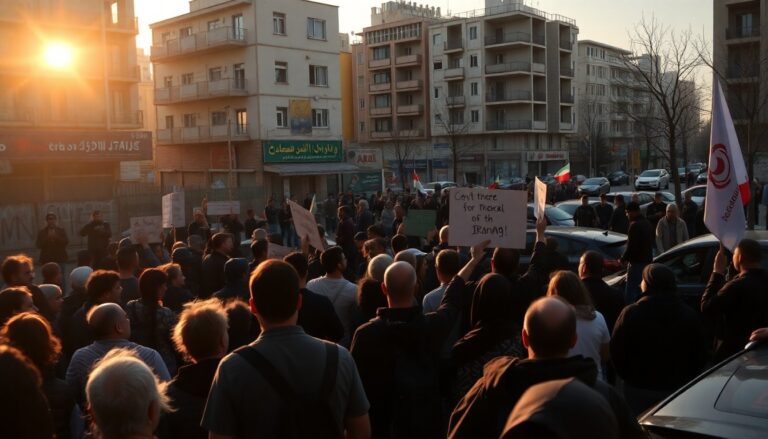
Recent events in Iran have garnered significant international attention as the nation grapples with widespread protests fueled by economic hardship. Citizens are taking to the streets in frustration over escalating living costs, prompting a heavy-handed response from the Iranian government that has resulted in casualties among both protesters and security forces.
In a surprising development, U.S. President Donald Trump has indicated that the United States is considering “very strong options” in response to the unrest, including potential military intervention. His remarks have intensified the already charged atmosphere surrounding the protests, which have reached unprecedented levels.
The evidence
Reports indicate that ongoing protests have sparked significant violence across Iran, with state media claiming that over 100 members of security forces have been killed. The unrest, which began in late December, is driven by soaring inflation and the devaluation of the national currency.
The Iranian Red Crescent Society has reported fatalities among its staff members due to the chaos.
Government’s response to protests
The Iranian government has issued stern warnings regarding the protests, threatening severe legal consequences for participants. Officials have labeled demonstrators as “rioters” and suggested that some individuals may face the death penalty. This reaction has provoked outrage from human rights organizations, which are calling for the government to exercise restraint and prioritize citizen safety.
Despite government claims of stabilizing the situation, many analysts believe the protests pose a significant challenge to the regime’s authority. Observers note that while dissatisfaction with economic conditions is widespread, most Iranians do not support violent confrontations.
International implications and threats
As tensions escalate, Iranian officials have warned the U.S. and Israel that any military action could provoke retaliatory strikes against U.S. interests and Israel itself. Mohammad Baqer Qalibaf, Speaker of the Iranian parliament, emphasized that military aggression would be met with legitimate responses, potentially targeting U.S. bases in the region.
The role of social media and communication
The Iranian government has imposed significant restrictions on internet access, complicating the flow of information and stifling communication among protesters. This internet blackout has lasted over 60 hours, raising concerns about infringements on fundamental human rights and the ability to peacefully assemble. The United Nations has called for the restoration of internet services, underscoring the need for transparency and accountability in the handling of the protests.
Trump’s statements on social media reiterate the U.S. administration’s willingness to support change in Iran. He has suggested that the country is on the verge of significant transformation, implying that the U.S. stands ready to assist the protesters. However, the nature of this assistance remains unclear, as Trump has hinted at potential military strikes that would be “very, very hard,” without indicating the deployment of ground troops.
The future of protests in Iran
The current unrest in Iran appears to be the culmination of years of dissatisfaction with government economic policies, which many believe have been exacerbated by international sanctions. The recent protests echo previous movements, particularly those following the tragic death of Mahsa Amini, which sparked widespread demonstrations across the country.
As the situation evolves, Iranian leadership faces a precarious balancing act: addressing legitimate grievances while maintaining control over the narrative to prevent further escalation. The international community is closely monitoring developments, aware that the outcome of these protests could significantly impact regional stability and U.S.-Iran relations for years to come.
