

Indoor Clothes Drying Techniques for Winter: Keep Your Laundry Fresh Discover the top indoor clothes drying techniques specifically designed for winter. Ensure your laundry stays fresh and free from dampness even during the colder months. 1. Utilize a Drying Rack: Invest in a sturdy drying rack that allows for optimal air circulation. Position it near a heat source, like a radiator or heating vent, to speed up drying time. 2. Maximize Airflow: Place your clothes in a well-ventilated area....
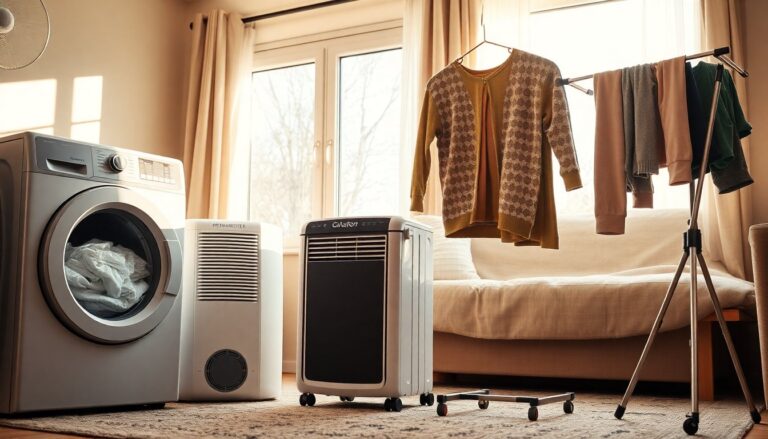
As winter approaches, drying clothes indoors becomes a challenge for many households. The combination of damp conditions and limited airflow can lead to frustrations, such as prolonged drying times and unpleasant odors. To address this issue, I evaluated five popular indoor drying methods: a tumble dryer, a dehumidifier, a heated airer, a simple clothes horse, and a bathroom extractor fan.
Each method was assessed based on several criteria, including drying time, garment freshness, cost-effectiveness, and impact on room humidity. Below is a detailed breakdown of my findings, highlighting the pros and cons of each approach.
Assessing the methods
Bathroom drying with an extractor fan
The concept of using a bathroom extractor fan is simple: hang wet clothes in the bathroom and turn on the fan to reduce moisture. Pros include its ability to manage humidity in compact living spaces, making it practical for small apartments.
However, effectiveness largely depends on the fan’s power. My bathroom fan, not designed for prolonged use, added more moisture during showers, making the approach counterproductive. Furthermore, inadequate hanging space and cooler bathroom temperatures slowed evaporation. Verdict: 2/10. This method, while logical, proved to be the least effective for drying clothes.
Standard clothes horse
Perhaps the most traditional approach, the clothes horse is economical and straightforward. Pros include low cost and zero electricity usage. They are widely available for as little as ten dollars and can be set up near a radiator for added warmth.
However, significant drawbacks exist. Without additional heat or airflow, clothes can take a long time to dry, especially thicker items like towels and jeans. Lingering moisture can lead to musty odors, and the clothes horse occupies valuable floor space for days. Verdict: 3/10. Despite being budget-friendly, it struggled to prevent unpleasant smells.
Alternative drying options
Heated airer
At first glance, a heated airer seems like an ideal solution. Simply plug it in, hang clothes, and let the heat do its work. Pros include quicker drying times compared to a traditional clothes horse. I purchased a model with a cover to retain heat.
However, performance fell short of expectations. Clothes only dried where they touched the heated elements, leaving many items damp, particularly thicker fabrics. The cover did not significantly improve efficiency, resulting in mildew odors. At around sixty dollars, it felt like an overpriced investment. Verdict: 4/10. While convenient, the performance didn’t justify the cost.
Using a dehumidifier
The dehumidifier emerged as a strong contender for drying clothes indoors. Pros include its ability to dry clothes more quickly than air drying while addressing humidity in the room. My model, purchased two years ago, proved effective in a small, enclosed space.
However, drying time ranged from one to two days, particularly during winter. This prolonged drying period sometimes allowed musty smells to develop, especially in thicker garments. While reliable and usually less expensive to operate than a tumble dryer, the upfront cost for a high-quality model can be a consideration. Verdict: 7/10. A solid performer for drying clothes and reducing condensation, but it doesn’t eliminate musty odors completely.
The champion: tumble dryer
Each method was assessed based on several criteria, including drying time, garment freshness, cost-effectiveness, and impact on room humidity. Below is a detailed breakdown of my findings, highlighting the pros and cons of each approach.0
Each method was assessed based on several criteria, including drying time, garment freshness, cost-effectiveness, and impact on room humidity. Below is a detailed breakdown of my findings, highlighting the pros and cons of each approach.1
Each method was assessed based on several criteria, including drying time, garment freshness, cost-effectiveness, and impact on room humidity. Below is a detailed breakdown of my findings, highlighting the pros and cons of each approach.2
