

Protests in Iran: A Call for Change and Freedom from Oppression The ongoing protests in Iran signify a profound desire for transformation, as individuals unite to challenge oppression and advocate for their rights. These demonstrations highlight the resilience of the Iranian people and their determination to seek a brighter future.
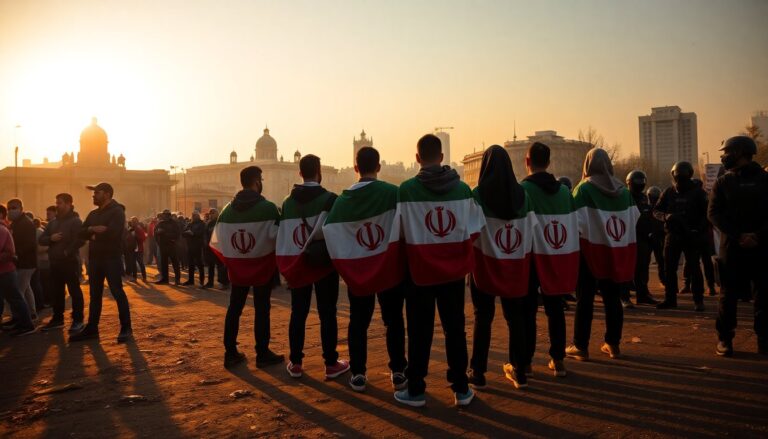
The protests in Iran have garnered international attention, marking a pivotal moment in the nation’s ongoing struggle against governmental oppression. Demonstrations erupted as citizens expressed their frustrations over soaring living costs and political repression. Despite the regime’s attempts to silence dissent through a communications blackout, images and messages of resistance continue to permeate social media, showcasing the resilience and determination of the Iranian people.
Background of the protests
The protests, which began in late December, have persisted for several weeks, driven by economic hardships and a demand for political reform. Citizens have taken to the streets to voice dissatisfaction with the ruling regime, calling for accountability and transparency.
As the protests grow, the Iranian government faces increasing challenges, having historically responded to dissent with forceful repression.
Social media’s role in shaping protest narratives
Despite efforts by Iranian authorities to impose a communication blackout, social media platforms have played a crucial role in disseminating information about the protests.
Users have shared real-time updates, including videos of protests and accounts of government crackdowns. This digital activism has galvanized support within Iran and attracted international attention, complicating the regime’s efforts to maintain control. Nevertheless, the spread of unverified information has led to confusion, with some reports lacking credible sources.
Government response to dissent
The Iranian government’s response to the protests has been swift and brutal. Authorities have deployed security forces to suppress demonstrators, leading to violent clashes. The Islamic Revolutionary Guard Corps (IRGC) has been tasked with maintaining order, often employing excessive force against protesters. Reports indicate that many individuals have suffered serious injuries or fatalities due to police brutality, underscoring the dire state of human rights in the country.
Threats and intimidation tactics
In addition to physical violence, the Iranian government has resorted to threats of severe legal consequences for those participating in protests. The Attorney General has publicly stated that demonstrators could face accusations of being ‘enemies of God,’ a charge that carries the death penalty. Such intimidation tactics aim to instill fear among citizens and deter them from participating in future demonstrations. However, the resolve of the protesters appears undeterred, as many continue to take to the streets despite the looming threats.
International reactions and implications
The global community has responded to the escalating situation in Iran with concern and condemnation. Various nations have called on the Iranian government to respect its citizens’ rights to peaceful assembly and expression. Notably, leaders from Western countries, including former U.S. President Donald Trump, have issued statements urging the Iranian regime not to resort to violence against the demonstrators. Such international scrutiny may influence the government’s future actions, as it seeks to balance internal stability with external pressures.
Human rights organizations’ involvement
Human rights organizations have been closely monitoring the situation, documenting abuses and advocating for the rights of the Iranian people. Reports indicate that the death toll from the protests has risen significantly, with many individuals losing their lives due to the government’s heavy-handed response. Activists are calling for accountability and justice for the victims of state-sponsored violence, further amplifying the demands for reform within Iran.
As the situation continues to unfold, the resilience of the Iranian people serves as a beacon of hope for those advocating for change. The protests symbolize a broader desire for freedom and justice, as citizens unite against oppressive forces in pursuit of a brighter future.
