

Understanding the Essential Role of Bypass Protein in Enhancing Animal Diets for Improved Productivity Bypass protein plays a vital role in optimizing animal diets, leading to increased productivity and overall health. This specialized protein source is designed to bypass the rumen, allowing for direct absorption in the intestines, which is essential for maximizing nutrient utilization in livestock. Incorporating bypass protein into animal nutrition strategies can significantly enhance...
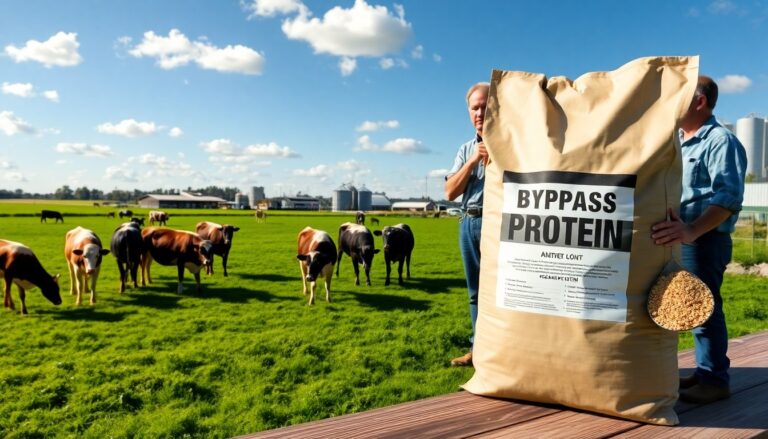
In the realm of animal nutrition, the inclusion of bypass protein has emerged as a pivotal factor in formulating effective feed rations. Derived from meticulously processed soybean meal, this high-quality vegetable protein significantly contributes to the dietary needs of various livestock, including dairy cattle, beef, sheep, and goats.
Understanding the implications of bypass protein allows livestock producers to enhance the nutritional balance of their feed, leading to improved animal health and productivity.
The primary function of bypass protein is to support the protein requirements that are not met by conventional rumen degradable protein.
This is particularly crucial in feeding strategies, where the balance of protein types directly affects the overall performance of the animals. This article will explore the applications, benefits, and practical considerations of using bypass protein in livestock diets.
Applications of bypass protein in livestock feed
Utilizing bypass protein effectively can transform the feed formulations for various species. For instance, lactating cows can benefit from a daily intake of 0.3 to 1.5 kg of bypass protein. This addition not only supports their energy needs but also enhances milk production due to improved protein availability. Similarly, dry cows require a specific amount of bypass protein in their diet, typically around 0.6 kg per head per day, especially during the critical period leading up to calving.
Feeding strategies for different livestock
For heifers, a daily inclusion of 0.3 kg of bypass protein is recommended to bolster their growth and development. In the case of beef cattle, integrating bypass protein into their diet ensures that they receive the necessary protein levels, especially when the ration is low in natural protein sources. Furthermore, sheep and goats can also benefit from bypass protein, which should be adjusted according to their production levels and nutritional requirements.
Another advantage of bypass protein lies in its versatility. It can be efficiently incorporated into compound feeds, home-mixed rations, and blends. This flexibility allows livestock producers to tailor their feeding strategies to suit the specific needs of their animals, whether they are grazing or indoors. During the grazing season, for example, bypass protein can balance the high levels of rumen degradable protein found in fresh grass, optimizing protein utilization.
Benefits of bypass protein in animal nutrition
The benefits of including bypass protein in livestock diets are numerous. One key advantage is its superior bypass protein content, which is found to be more effective than that of naturally occurring vegetable proteins. This characteristic allows for enhanced protein utilization, which is crucial for the growth and productivity of livestock. The efficiency of protein absorption ultimately translates into better overall performance and health of the animals.
Moreover, during periods of feed scarcity, such as winter months when pastures are not available, bypass protein can help reduce the overall crude protein levels in animal diets. This reduction minimizes waste and enhances the efficiency of protein usage, allowing livestock to thrive even in less-than-ideal conditions.
Nutritional specifications
From a nutritional standpoint, bypass protein boasts an impressive 47% crude protein content, with around 80% of this protein classified as bypass protein. This high protein level is particularly beneficial for livestock that require additional protein for optimal growth, reproduction, and milk production. By carefully managing the intake of bypass protein, farmers can ensure that their animals remain healthy and productive throughout their lifecycle.
The integration of bypass protein into animal feed formulations presents a strategic advantage for livestock producers. By balancing the protein content in their rations, farmers can enhance the performance and well-being of their animals. As the demand for high-quality animal products continues to rise, understanding and utilizing bypass protein effectively will play a crucial role in sustaining agricultural productivity.
