

Donald Trump's lawsuit against the BBC highlights the complexities of defamation law and media responsibility.
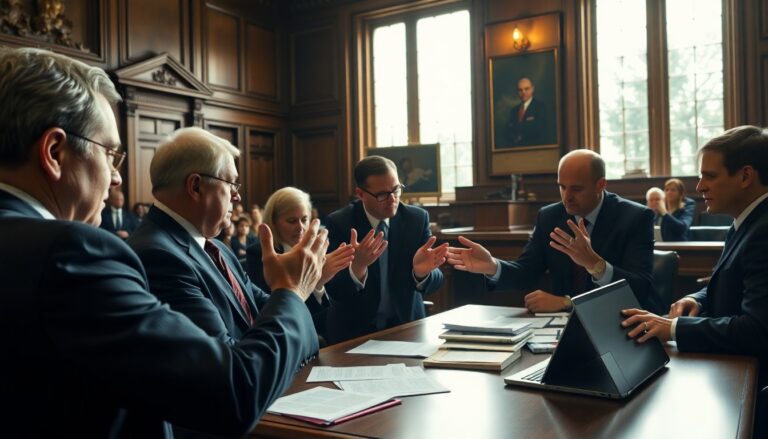
In a significant legal development, the BBC is preparing to contest a hefty $10 billion defamation lawsuit filed by former President Donald Trump. This lawsuit arises from a contentious Panorama episode that aired in November, which has drawn scrutiny for its portrayal of Trump’s actions during the January 6 Capitol riots.
The documentary, titled ‘Trump: A Second Chance’, faced backlash due to the way it edited video footage of Trump’s speech on the day of the Capitol siege. Critics argue that the editing suggested Trump was inciting his supporters to violence.
Consequently, Trump is seeking damages, claiming the editing was not only misleading but also “false and defamatory.”
Details of the lawsuit
According to court documents, Trump’s legal team contends that the BBC’s portrayal of him was “deceptive, disparaging, and malicious.” His lawsuit demands a staggering $10 billion in damages, with claims of defamation and breaches of trade practices.
This amount is divided into $5 billion for defamation and another $5 billion for alleged violations related to trade laws.
BBC’s response and legal strategy
In response to the lawsuit, the BBC has announced its intention to file a motion to dismiss the claim. The broadcaster argues that the Florida court lacks the necessary personal jurisdiction over them, asserting that the venue is inappropriate and that Trump has not adequately established a legal basis for his claims. The BBC maintains that it did not produce or broadcast the documentary in Florida and challenges Trump’s assertion that it was available on the streaming service BritBox.
The BBC’s legal representatives have pointed out that a simple examination of the link provided by Trump reveals that the documentary is not accessible on BritBox, undermining his argument. Furthermore, they assert that Trump has failed to convincingly demonstrate that the BBC acted with “actual malice,” which is a critical component of defamation cases involving public figures in the United States.
Potential implications and future proceedings
The legal proceedings are poised to unfold in a complex judicial environment, where defamation laws will be a focal point. As the case progresses, the court will first need to determine whether it has the jurisdiction to hear the matter, given that the documentary was aired in the UK. Trump must establish that the broadcast had a substantial impact on his reputation within the United States, a challenging feat considering the viewership limitations through subscription services and VPNs.
Challenges ahead for Trump
Moreover, under U.S. law, Trump will need to prove that the BBC acted with actual malice, which entails showing that the broadcaster knowingly disseminated false information or displayed reckless disregard for the truth. This high threshold for proof presents a significant challenge for Trump’s legal team.
The BBC has previously acknowledged an “error of judgment” in the editing of the documentary, leading to internal repercussions that included resignations from key executives. However, the broadcaster maintains that there are no legal grounds for Trump’s claim and is prepared to defend its editorial decisions vigorously.
As the legal proceedings evolve, a trial date has been tentatively set for 2027 should the case continue. Observers of the media and legal landscapes are keenly watching how this lawsuit will unfold, as it raises critical questions about the responsibilities of media organizations when reporting on public figures and the implications of defamation claims.
