

Woodland Officer: Essential Functions and Significance in Forest Management in England As a Woodland Officer, your role is crucial in the stewardship and management of England's forests. This position encompasses a variety of essential functions that contribute to the health, sustainability, and biodiversity of woodland ecosystems. Key Responsibilities: 1. Forest Conservation: Implement strategies to protect and enhance woodland habitats, ensuring biodiversity is preserved for future...
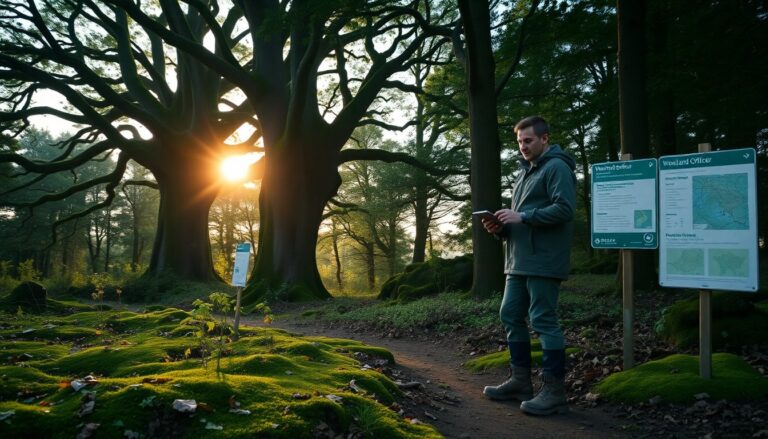
The management of woodlands in England plays a crucial role in environmental conservation. At the forefront of this initiative are Woodland Officers from the Forestry Commission, who oversee various aspects of forest stewardship. This article provides a comprehensive overview of their roles, the areas they manage, and the impact of their work on the broader environmental landscape.
Woodland Officers are assigned specific regions, each with distinct responsibilities and administrative boundaries. Their work involves maintaining forest health and ensuring compliance with regulations governing preservation and management efforts. By delineating their areas of responsibility, the Forestry Commission aims to enhance the effectiveness of forest management across England.
The role of Woodland Officers
Woodland Officers have a multifaceted role in forest management. Their primary duties include monitoring forest health, implementing conservation strategies, and facilitating public engagement with woodland areas. By collaborating closely with local communities and stakeholders, they foster a sense of shared responsibility for forest conservation.
Administrative boundaries and responsibilities
Each Woodland Officer operates within a designated administrative area, defined by specific boundaries set by the Forestry Commission. These areas are crucial for organizing management efforts and resources necessary for effective woodland care. Officers oversee various duties, including managing tree planting initiatives, wildlife habitats, and compliance with environmental regulations.
Within their administrative zones, Woodland Officers collaborate with Field Managers and other forestry professionals to implement best practices in woodland management. This teamwork is essential for achieving the overall aims of conservation and sustainable forestry.
Impact on woodland conservation
The work of Woodland Officers directly influences the success of woodland conservation efforts in England. Through dedicated management practices, they contribute to maintaining biodiversity, promoting sustainable forestry, and enhancing public access to natural spaces. Their efforts ensure that woodlands not only thrive but also continue to provide ecological benefits for future generations.
Engaging the community
Public engagement is a key component of Woodland Officers’ responsibilities. They often organize community events, workshops, and educational programs to raise awareness about the importance of forests. By fostering connections between communities and their local woodlands, these officers cultivate a culture of stewardship and environmental responsibility.
Furthermore, engaging the public in woodland management creates opportunities for local people to contribute to conservation efforts, whether through volunteering or participating in forest activities. This collaborative approach enhances the overall effectiveness of woodland management.
Future directions for woodland management
As environmental challenges evolve, so must the strategies employed by Woodland Officers. The Forestry Commission continually assesses its policies and practices to adapt to changing conditions, such as climate change and shifting public needs. By embracing innovative approaches and incorporating scientific research into their work, Woodland Officers are better equipped to address these challenges.
Moreover, ongoing training and professional development for Woodland Officers ensure that they remain at the forefront of best practices in forest management. This commitment to education benefits the officers and enhances the overall health and sustainability of England’s woodlands.
Woodland Officers are assigned specific regions, each with distinct responsibilities and administrative boundaries. Their work involves maintaining forest health and ensuring compliance with regulations governing preservation and management efforts. By delineating their areas of responsibility, the Forestry Commission aims to enhance the effectiveness of forest management across England.0
