

Fire Safety Awareness Advocate Summary: Dedicated professional with a strong focus on fire safety measures and community awareness, particularly in light of recent fire incidents in London. Committed to educating the public about fire prevention strategies and safety protocols to mitigate risks and ensure community safety. Key Skills: Fire Safety Education Risk Assessment and Management Community Outreach and Engagement Emergency Response Planning Public Speaking and Training Regulatory...
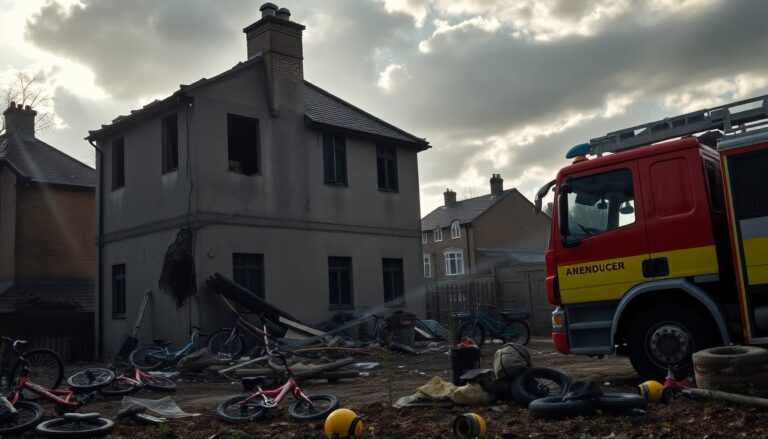
Recent events in London underscore the critical importance of fire safety measures. A series of incidents, including tragic house fires and hazardous carbon monoxide leaks, have prompted authorities to remind the public of essential safety protocols. This article explores these occurrences, the responses from emergency services, and the vital lessons learned.
On a fateful morning in Barnet, tragedy struck as two individuals lost their lives in a house fire. This incident serves as a stark reminder of the potential dangers in residential areas. Firefighters were summoned to the scene, but unfortunately, their efforts came too late to save the victims.
The news of this devastating loss emphasizes the need for residents to remain vigilant and prepared for fire emergencies.
Recent incidents and their implications
Another alarming situation unfolded in Shepherd’s Bush, where fire crews responded to a suspected carbon monoxide leak on Macfarlane Road.
Upon arrival, firefighters discovered elevated levels of the gas, which is both odorless and colorless, making it especially dangerous. Emergency responders rescued two women from the first floor, while additional individuals from neighboring homes required treatment due to exposure. This incident highlighted the critical need for functional carbon monoxide alarms in residences.
Understanding carbon monoxide dangers
The London Fire Brigade has noted that they attended nearly 2,000 incidents related to carbon monoxide last year alone. A spokesperson for the Brigade emphasized that carbon monoxide is insidious; it can lead to fatal outcomes within minutes. They urged homeowners to install alarms in every room housing fuel-burning appliances and to ensure that these devices are audible throughout the home, especially when occupants are asleep.
In another incident on Fulham Road, a flat fire prompted a rapid response involving four fire engines and approximately 25 firefighters. The prompt action taken by emergency services helped to contain the fire and prevent further damage. Such incidents underline the importance of having working smoke detectors and established escape plans in case of emergencies.
The role of community awareness
Fire safety is not solely the responsibility of emergency services; communities must also play an active role in preventing fires. In Orpington, firefighters faced the challenge of an outbuilding fire involving several structures on Sutherland Avenue. Again, the swift response of fire crews demonstrated the effectiveness of preparedness and prompt action. Local residents are encouraged to educate themselves about fire risks and to adopt fire safety measures in their homes.
Proactive measures and safety tips
One of the most critical steps in fire safety is ensuring that all homes are equipped with smoke detectors and that these devices are maintained regularly. It is essential to test alarms monthly and replace batteries as needed. Furthermore, residents should be familiar with the signs of fire hazards, such as unusual odors or flickering lights, and report any concerns immediately.
In addition to smoke detectors, having a well-thought-out escape plan is vital. Families should practice fire drills, ensuring that everyone knows at least two ways to exit the home safely. Designating a meeting point outside can also help to account for all family members in an emergency.
Recent fire incidents in London serve as a crucial reminder of the importance of fire safety awareness. From tragic losses to hazardous situations, these events highlight the need for proactive measures and community engagement in fire prevention. By remaining informed and prepared, individuals can significantly reduce the risks associated with house fires and gas leaks.
