

Resume of Craig Guildford Professional Summary: Dynamic and results-driven law enforcement leader with extensive experience in public safety management and organizational development. Proven track record in crisis management, community engagement, and policy implementation. Recognized for addressing complex challenges in the policing sector and fostering collaborative relationships with diverse communities. Key Highlights: Leadership Experience: Successfully navigated the complexities of law...
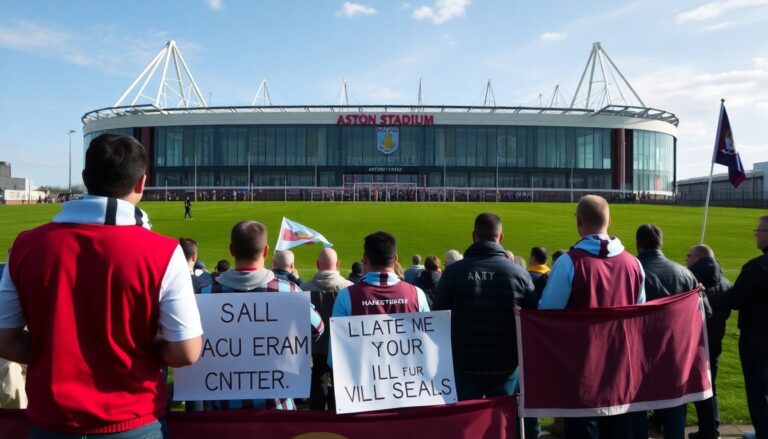
In a notable development, West Midlands Police Chief Constable Craig Guildford has announced his retirement amid public backlash and political pressure following a controversial decision to ban Maccabi Tel Aviv fans from attending a football match against Aston Villa. This situation has raised significant concerns regarding the leadership and decision-making processes within the police force.
The decision to prohibit the fans sparked widespread condemnation, prompting an investigation into the police’s justification. Home Secretary Shabana Mahmood expressed her loss of confidence in Guildford’s leadership, indicating a perceived failure to manage the situation effectively.
Controversial decisions and leadership issues
On Wednesday, Mahmood voiced her concerns during a parliamentary session, asserting that ultimate accountability for the police’s missteps rests with the Chief Constable. She emphasized that her trust in Guildford had significantly diminished. Despite this, Simon Foster, the police and crime commissioner for the West Midlands, opted not to dismiss Guildford, citing the need for a comprehensive review of the circumstances.
The controversy emerged when the local Safety Advisory Group (SAG) decided to restrict Maccabi Tel Aviv supporters from attending the Europa League match at Villa Park in November. This decision was made based on safety concerns, influenced by advice from West Midlands Police. However, the police’s justification included incorrect references to a fictitious match between Maccabi and West Ham United, raising serious doubts about the credibility of their intelligence.
Errors in judgment and accountability
In a subsequent letter to the Commons Home Affairs Committee, Guildford acknowledged providing inaccurate information regarding the intelligence that justified the ban. Initially, he attributed the errors to a flawed Google search but later clarified that they stemmed from using an artificial intelligence tool, specifically Microsoft Copilot. This admission has intensified scrutiny of the police’s operational decisions and their implications for public safety.
Guildford issued a formal apology to the committee, expressing regret for the misinformation and asserting that there was no intention to mislead. He stated, “I had believed and was advised that the match had been identified through a Google search for the committee’s preparation.” This acknowledgment of error highlights a significant lapse in accountability within the police force.
Political ramifications and public response
The fallout from the ban and subsequent revelations regarding the handling of the situation have ignited political outrage. Prominent figures, including Prime Minister Sir Keir Starmer, have criticized the decision, calling for a reevaluation of such processes. The credibility of the police force is under scrutiny, and the consequences of this incident are likely to extend beyond the immediate context of the football match.
As the investigation progresses, Simon Foster has pledged to review the evidence surrounding the decision to ban Maccabi Tel Aviv fans. Foster has the authority to implement personnel changes within the police force, leading to speculation about Guildford’s future amid increasing demands for accountability.
The importance of accurate intelligence
This incident serves as a stark reminder of the essential role that accurate intelligence plays in public safety decisions. While technology, such as artificial intelligence, can enhance operational efficiency, it also carries risks. These tools necessitate rigorous verification to ensure that the information used is both reliable and precise.
As the situation continues to evolve, the West Midlands Police force must grapple with the implications of this controversy and strive to restore public confidence in their operations. The lessons learned from this event could influence future policies and practices, highlighting the need for transparency and accountability in law enforcement.
