

Andrew Rosindell's Transition to Reform UK: A Pivotal Event in British Politics Andrew Rosindell's recent shift to Reform UK signifies a transformative moment in the landscape of British politics. This strategic move not only reflects his evolving political ideology but also highlights the growing influence of alternative political parties in the UK. As a seasoned political figure, Rosindell's alignment with Reform UK underscores the party's commitment to addressing key issues and advocating...
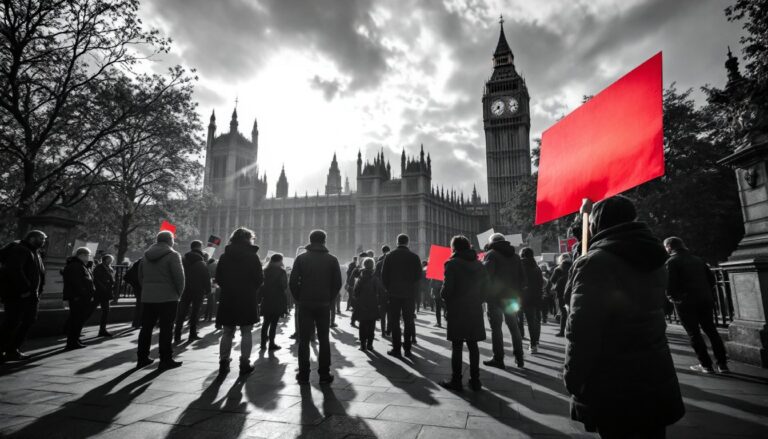
In a significant political shift, Andrew Rosindell, the Member of Parliament for Romford, has officially resigned from the Conservative Party and joined Reform UK. This move follows a similar decision by fellow MP Robert Jenrick, raising the number of MPs in Nigel Farage’s party to seven.
Rosindell’s departure highlights a growing discontent within the Conservative ranks.
Having been a dedicated member of the Conservative Party since his teenage years, Rosindell has consistently supported the principles championed by Margaret Thatcher. However, he has now prioritized the needs of the nation over party loyalty.
In a statement on social media platform X, he expressed frustrations regarding the party’s handling of key issues, particularly the Chagossian self-determination and the ongoing struggle for British sovereignty.
Reasons for the defection
Rosindell’s decision to switch allegiances stems from his belief that the Conservative Party has failed to hold itself accountable for past mistakes.
He criticized the Tories for being “irreparably bound” to the errors of previous administrations, which he argues undermines their credibility and effectiveness. His comments reflect a deep dissatisfaction with the party’s current direction, especially regarding significant issues impacting the British populace.
Constitutional concerns
A critical area of concern for Rosindell has been the issue of Chagossian self-determination. He argues that the Conservative leadership has not adequately supported the rights of the Chagossian people, indicating a broader failure to uphold principles of justice and sovereignty in British policy. This situation has become a defining factor in his political stance, prompting him to seek a party that aligns more closely with his values and vision for the United Kingdom.
In his view, the Reform UK party is genuinely committed to representing the interests of the British populace, a sentiment he believes has been neglected by the Conservative Party. Rosindell’s shift illustrates a growing trend among politicians who feel disenfranchised by traditional party politics and are seeking alternative platforms that resonate with their beliefs.
Response from Reform UK and Conservative Party
Nigel Farage, the leader of Reform UK, welcomed Rosindell’s defection enthusiastically, describing him as a “great patriot.” Farage attributed the Conservative Party’s handling of the Chagos Islands issue as a catalyst for Rosindell’s decision to join his party, emphasizing that such betrayals have led to significant defections. The timing of this move is crucial, as both parties prepare for the upcoming local elections scheduled for May 7, where Reform UK aims to gain traction.
Election strategy
With the local elections approaching, Reform UK has established a deadline for current and former MPs, as well as local councillors, to switch parties. This strategy suggests their ambition to consolidate support and strengthen their position ahead of the elections. Conversely, Kemi Badenoch, the leader of the Conservative Party, expressed confidence that her shadow cabinet would not face any further defections.
When asked about potential switchers, Badenoch pointed to the Reform UK party’s deadline as indicative of their concern regarding attracting new members. Her remarks suggest a defensive posture within the Conservative Party as they navigate challenges posed by dissenting voices like Rosindell’s.
As the political landscape continues to evolve, Rosindell’s departure from the Conservative Party serves as a reminder of the shifting allegiances within British politics. His transition to Reform UK underscores the necessity for parties to address the concerns of their members and the electorate. The upcoming elections will undoubtedly test the resilience of the Conservative Party and the appeal of reformist movements in the UK.
