

Kate Middleton’s cheeky gesture at the BAFTAs reveals her fun-loving spirit and challenges royal expectations.
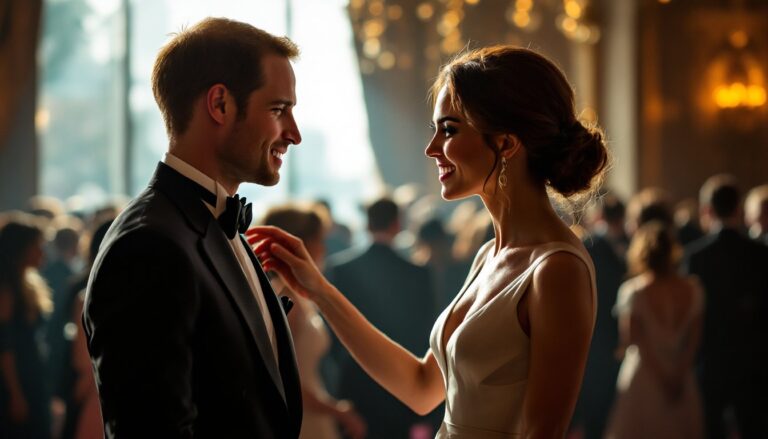
The BAFTA Awards, a hallmark of cinematic excellence, not only celebrate the best in film but also provide a glimpse into the personalities of those who attend. During the ceremony at London’s Royal Festival Hall, a lighthearted moment between the Prince and Princess of Wales captured the attention of the audience and media alike.
Kate Middleton, known for her elegance and poise, surprised many by playfully giving her husband, Prince William, a gentle ‘love tap.’ This seemingly simple gesture stirred discussions about royal behavior and the evolving image of the monarchy.
A playful royal moment
On this particular evening, as the couple navigated the glamorous atmosphere, Kate’s affectionate poke at William stood out as a reminder of their personal connection amidst the formalities of royal duties. Such moments reflect a shift in the public’s perception of royalty, moving away from the traditional image of stoicism towards a more relatable and humanized portrayal.
The playful interaction was not just a fleeting moment but symbolized a deeper understanding of their relationship, showcasing that even royals have fun and engage in light-hearted banter.
Breaking royal stereotypes
Kate Middleton’s spirited action at the BAFTAs resonates with the public as it defies the stereotype of the royal family as overly reserved or formal. By engaging in a flirtatious dare, she demonstrated that she is far from being a mere royal figurehead. Instead, she embodies a modern approach to royalty, blending tradition with a personal touch that resonates with younger generations. This shift is crucial as it helps to bridge the gap between the monarchy and the public, making royalty more accessible to the masses.
Nominees for the EE BAFTA Rising Star Award
As the BAFTA Awards continue to shine a spotlight on talent, the announcement of the nominees for the EE Rising Star Award highlighted some of the most promising emerging actors. This award, established in 2006, is unique in that it relies solely on public votes, allowing fans to play an active role in recognizing new talent in the film industry. The nominees are carefully selected by a panel of industry experts, ensuring a diverse and exciting lineup of fresh faces.
Spotlighting emerging talent
This year’s nominees include a mix of remarkable talents such as Robert Aramayo from I Swear, Miles Caton from Sinners, Chase Infiniti from One Battle After Another, Archie Madekwe from Lurker, and Posy Sterling from Lollipop. Each nominee brings a unique flair to their performances, showcasing the vibrancy of contemporary cinema. The ceremony not only honors established actors but also emphasizes the significance of nurturing new talent, making it a pivotal moment in their careers.
Public engagement and the significance of the Rising Star Award
The Rising Star Award has a rich history of propelling the careers of its winners, with previous recipients including notable names like Tom Holland and Emma Mackey. Winning this award can serve as a launching pad for emerging actors, garnering them both critical acclaim and public recognition. The public voting mechanism adds an engaging layer to this award, as fans eagerly anticipate the results and the potential impact on their favorite actors’ careers.
The award ceremony is set to take place on February 22 at the Royal Festival Hall, where the winner will be revealed and celebrated. As the nominations draw closer, the buzz surrounding the nominees and their respective projects is palpable, hinting at a bright future for these emerging stars. The intertwining of public participation with the prestige of the BAFTA Awards creates an atmosphere of excitement, making it a highlight of the award season.
In conclusion, moments like Kate Middleton’s playful gesture at the BAFTAs and the recognition of emerging talents through the EE Rising Star Award exemplify the evolving landscape of the film industry and royal image. Both instances highlight the importance of relatability and connection in a world where public perception can shape careers and influence culture.
