

Ceasefire Agreement: A Turning Point in Syrian and SDF Relations The recent ceasefire agreement between the Syrian Army and the Syrian Democratic Forces (SDF) has the potential to significantly reshape the geopolitical landscape of the region. This pivotal development not only aims to reduce hostilities but also opens avenues for dialogue and cooperation, which could lead to lasting peace and stability. Stakeholders and analysts alike are closely monitoring this situation, as its...
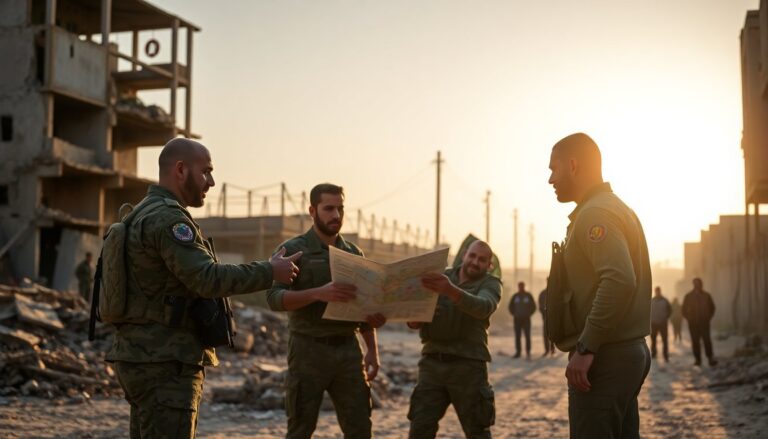
On January 18, 2026, a significant ceasefire agreement was reached between the Syrian army and the Syrian Democratic Forces (SDF) following extensive fighting. This agreement marks a crucial turning point in the ongoing conflict, indicating a possible shift in power dynamics within the region, particularly in the northeast where Kurds previously held substantial control.
The ceasefire is not simply a halt to hostilities; it includes essential terms that will reshape both military and civilian governance in the affected areas. Under this agreement, SDF fighters will be integrated into the Syrian army, and many regions once under Kurdish control will return to federal authority.
Details of the ceasefire agreement
The agreement stipulates the disbanding of the SDF as an independent military entity and mandates the immediate transfer of control over key territories, specifically Deir Ezzor and Raqqa provinces, back to the Syrian state. These areas, predominantly Arab in population, hold significant value due to their rich oil reserves, which are now expected to be managed directly by the Syrian government.
The SDF had previously suggested sharing oil revenues, but such proposals remain unlikely under the new terms.
Military and territorial implications
As the Syrian army advances, the SDF has begun withdrawing from contested areas, a process that appears to have already started in Deir Ezzor and Raqqa. This rapid shift reflects the intense military pressure exerted by the Syrian forces in recent weeks. The Syrian government is also reclaiming vital infrastructure, including checkpoints and dams along the Euphrates River, thereby consolidating its power.
Interestingly, the agreement allows for a degree of autonomy to persist for the Kurds, particularly in Hasakah province, where Kurdish identity is more pronounced. However, even in this area, the governor will be appointed by the central government, highlighting the diminishing autonomy for the Kurdish population.
Responses and future considerations
The Kurdish leadership, represented by Commander Mazloum Abdi, recognized the agreement’s harsh realities, calling it a necessary step to prevent further conflict. His acceptance has sparked skepticism among Kurdish constituents who had hoped for greater autonomy and rights. In a video message, Abdi pledged to clarify the rationale behind this compromise in the coming days, indicating a need for transparency and reassurance within the Kurdish community.
Cultural and social provisions
In an attempt to soften the impact of these sweeping changes, President Ahmed al Sharaa has issued a decree offering some cultural concessions to the Kurds. Among these are the recognition of the Kurdish language as a national language, though not official, and permission for its teaching in Kurdish-majority schools. Additionally, the celebration of Nowruz, a significant cultural festival for the Kurds, will be recognized as a national holiday. While these gestures are positive, they may not adequately address the deeper concerns regarding Kurdish identity and governance.
Historically, the Kurdish population, which comprises about ten percent of Syria’s populace, established a significant presence during the civil war, controlling approximately thirty percent of the country’s northeast. They developed a de facto autonomous administration with their militia, the SDF. However, as the Syrian regime seeks to reassert its authority, the fate of Kurdish governance remains precarious.
As negotiations continue, the international community, particularly the United States, which had previously supported the SDF, is now reassessing its position. The recent alignment of U.S. interests with the Syrian government under President al Sharaa complicates the landscape for Kurdish aspirations. The outcome of this ceasefire agreement will not only shape the future for the Syrian Kurds but also have broader implications for regional stability and international relations.
