

Spain's rail system, known for its impressive high-speed network, is now grappling with the aftermath of a tragic accident that left many dead and injured.
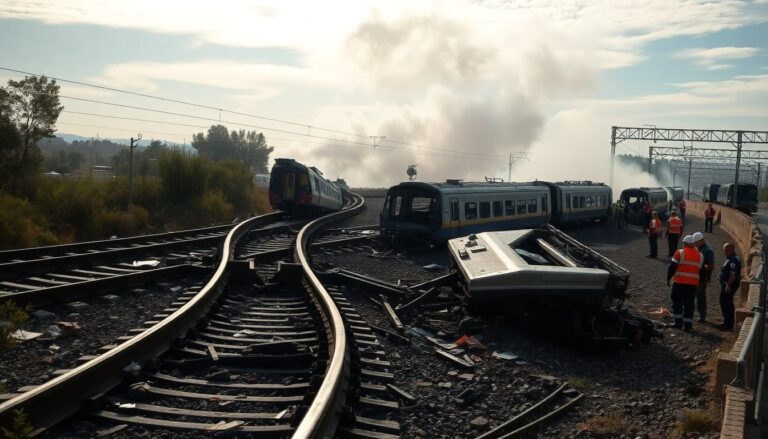
Spain has long been proud of its expansive high-speed rail network, recognized globally for its efficiency and reach. However, a catastrophic event has shaken this reputation to its core. The recent train collision in the Andalusian town of Adamuz has resulted in a significant loss of life, and the nation now finds itself grappling with essential questions regarding rail safety and oversight.
On January 19, two high-speed trains collided on a segment of track that was recently updated. Initial reports indicate that the collision involved an Iryo train heading towards Madrid and a Renfe train traveling in the opposite direction. The aftermath has been devastating: at least 40 fatalities and over 100 injuries have been reported, with concerns that the death toll may rise as rescue operations continue.
The tragic history of train accidents in Spain
This incident is not the first of its kind in Spain. A harrowing reminder of past tragedies emerged with the Santiago de Compostela derailment that occurred in July. On that fateful day, an Alvia train traveling from Madrid to Ferrol derailed just outside Santiago, resulting in 79 deaths and numerous injuries.
The train had been speeding at over 180 kilometers per hour in a zone where the limit was set at 80. This disturbing event highlighted serious concerns about speed regulation and driver accountability.
Investigative findings and accountability
Following the tragedy, investigations revealed that the train’s driver had a penchant for exceeding speed limits, as evidenced by his social media posts. His reckless behavior led to a conviction for multiple counts of involuntary manslaughter. This incident raised alarms regarding the operational standards and safety protocols in the railway industry. Sadly, the lessons learned seem to have been forgotten, as the recent collision has rekindled fears and anger among the public.
Current investigations and implications for rail safety
In the wake of the Adamuz crash, an investigation has been initiated to uncover the underlying causes. Early indicators suggest that a failure in the track, specifically a broken joint, may have contributed to the derailment. The Spanish government has declared a three-day period of mourning while prioritizing the investigation to ensure that accountability is established and that such incidents can be prevented in the future.
The role of regulatory bodies
The European Commission previously highlighted deficiencies in the safety measures implemented by Adif, the organization responsible for managing the railway infrastructure. Their report pointed out a disconnect between risk assessments and ongoing safety checks, leading to a lack of continuous monitoring. As a result, the recent tragedy has intensified discussions about the need for improved oversight and enhanced safety regulations within Spain’s rail system.
In light of these recent events, the Spanish Minister of Transport has emphasized the necessity for immediate reforms to restore public trust in the rail services. This includes implementing stronger automated speed control systems and rigorous maintenance checks for all rail infrastructure.
As the nation mourns the victims and their families, there is a renewed focus on ensuring the safety of the high-speed rail network that had once become a source of pride for Spain. The heart-wrenching stories of survivors underscore the urgent need for systemic change to prevent future tragedies. With investigations underway, the hope is that Spain can emerge from this dark chapter with a commitment to enhancing the safety and reliability of its once-lauded rail services.
