

Europol's latest operation has significantly disrupted synthetic drug trafficking networks across Europe.
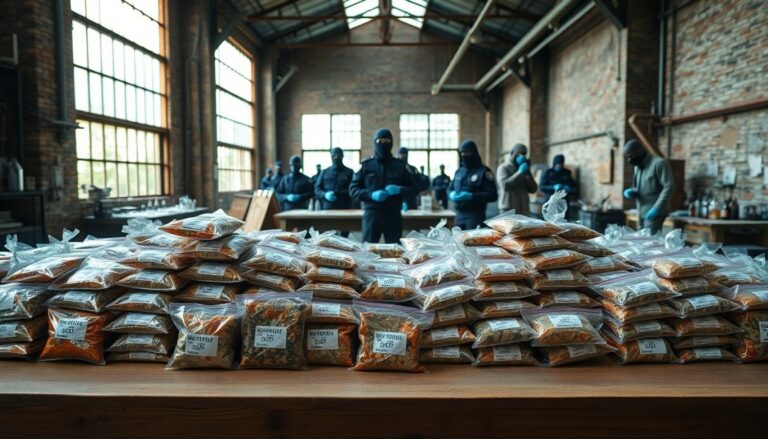
In a decisive blow against organized crime, Europol has dismantled a vast network involved in the production and distribution of synthesized narcotics in Europe. This operation marks one of the largest efforts to combat a pervasive issue that endangers public health and safety.
On January 21, 2026, Polish authorities revealed the results of a thorough investigation that resulted in the seizure of over 9.3 tonnes of illicit drugs and the arrest of more than 100 individuals connected to this criminal enterprise. While the operation primarily focused on facilities in Poland, its impact reverberated across several European Union nations.
Operation overview
The year-long coordinated effort involved law enforcement agencies from Belgium, the Czech Republic, Germany, the Netherlands, Poland, and Spain. Andy Kraag, head of Europol’s European Serious Organised Crime Centre, stated that this initiative has dealt a “massive blow” to criminal organizations engaged in drug trafficking.
This extensive operation led to the dismantling of 24 illegal laboratories responsible for manufacturing dangerous synthetic drugs such as MDMA, amphetamine, and methamphetamine. Investigators also confiscated about 1,000 tonnes of precursor chemicals that had been legally imported from countries like China and India, which were then repackaged and mislabelled for distribution throughout the EU.
Criminal network disruption
Suspicion regarding this network emerged in 2026 when Polish police observed a significant increase in the importation of chemicals from Asia. The investigation uncovered that these substances were not only used illegally in drug production but were also part of a complex distribution scheme spanning the continent.
Kraag emphasized that the operation was designed to disrupt the synthetic drug industry’s supply chain at its roots. He remarked, “These criminal groups don’t have their supply anymore,” underscoring the effectiveness of the coordinated law enforcement efforts.
Local impact and ongoing investigations
In a related development, the Guardia di Finanza in Treviso, Italy, reported intercepting illegal pharmaceutical products shipped from Eastern Europe. Authorities seized 17 packages containing various banned substances, including growth hormones and performance-enhancing drugs that lacked the necessary medical prescriptions.
These shipments originated from Poland and Slovenia, posing significant risks to public health. Investigations led to the identification of one recipient, who was subjected to a personal and residential search, resulting in the discovery of additional illegal substances and highlighting the need for stringent enforcement against such activities.
Legal consequences and future actions
The individual linked to these illegal shipments has been reported to the local Public Prosecutor’s Office for violating laws related to receiving stolen goods and regulations governing human medicines. Ongoing investigations aim to trace the entire supply chain of these hazardous products to prevent future incidents.
Authorities in both Poland and Italy are committed to enhancing their collaborative efforts to combat the dangers posed by illegal drugs and substances. These joint operations represent a robust approach to safeguarding public health and dismantling the infrastructures that sustain illegal drug trafficking.
On January 21, 2026, Polish authorities revealed the results of a thorough investigation that resulted in the seizure of over 9.3 tonnes of illicit drugs and the arrest of more than 100 individuals connected to this criminal enterprise. While the operation primarily focused on facilities in Poland, its impact reverberated across several European Union nations.0
