

The Scottish Government is stepping in with financial support to restore the collapsed Spey Viaduct, a vital connection in Moray.
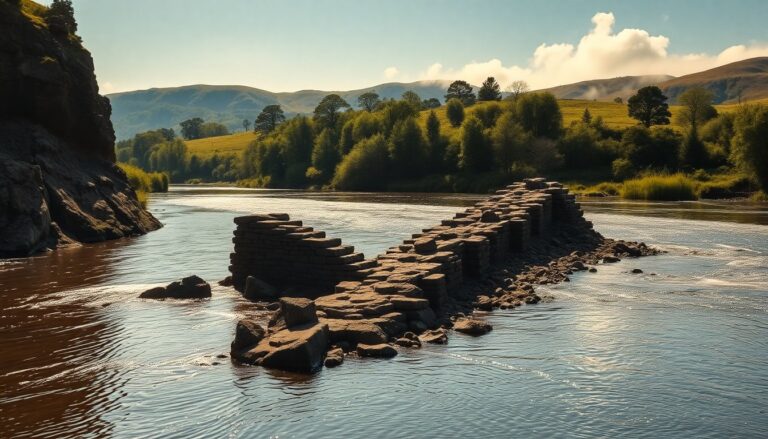
The picturesque Moray region has been grappling with the unfortunate collapse of the Spey Viaduct, a significant structure dating back to the 19th century. This bridge, located near Elgin, fell into the River Spey last month, primarily due to the erosion of the soil surrounding its foundations, experts have indicated.
In response to this pressing issue, the Scottish Government has announced a funding initiative aimed at addressing both immediate and long-term needs.
Financial support for restoration
During a recent debate in Holyrood, Transport Secretary Fiona Hyslop revealed a funding package of £113,000 intended for the remainder of the current financial year.
This allocation is part of a broader effort to assess engineering requirements, plan alternatives, and implement a new route for local transportation. Hyslop emphasized that further substantial funding will be necessary for a complete replacement of the bridge.
Importance of the Spey Viaduct
The Spey Viaduct is not merely a river crossing; it holds cultural significance and serves as a vital conduit for both locals and tourists engaging in recreational activities. The minister underscored the bridge’s role in the community’s identity and movement, noting that its absence has impacted travel and leisure.
Immediate measures and long-term planning
Following the collapse, the immediate focus was on ensuring the safety of the area and conducting investigations into the circumstances that led to the failure. Now, efforts are shifting towards reopening critical pathways. The Scottish Government is collaborating with local bodies like Moray Council, Hitrans (Highlands and Islands Transport Partnership), and the Walk Wheel Cycle Trust to minimize disruption and develop effective solutions.
New routes and assessments
Plans are underway to restore access to the National Cycle Network, the Moray Coastal Path, and connections with the Speyside Way. An alternative crossing over the river is being established, along with safe pathways through the Gordon Castle area. Updated signage will also be implemented to guide users along these new routes.
Future considerations
For a sustainable and long-lasting solution, Moray Council has devised a comprehensive strategy involving four key assessment steps. These steps are designed to evaluate the collapse’s impact on the riverbed and surrounding land. Significant funding will be necessary to progress through these assessments, and the council is actively exploring various options to secure this financial support.
Transport Secretary Hyslop confirmed that the Scottish Government will allocate £113,000 from the active travel infrastructure fund, facilitating additional engineering assessments and planning activities. This funding is crucial for implementing alternative routes and restoration efforts that are expected to continue until the close of the -26 financial year.
