

Title: The Surprising Appearance of a Seal in a London Garden: A Reflection of Urban Wildlife Transformation Introduction: The unexpected sighting of a seal in a London garden captures the evolving dynamics of urban wildlife. This incident not only showcases the adaptability of wildlife but also serves as a reminder of the intricate relationship between nature and urban environments. Key Points: Urban Wildlife Trends: The changing behavior and presence of wildlife in metropolitan areas...
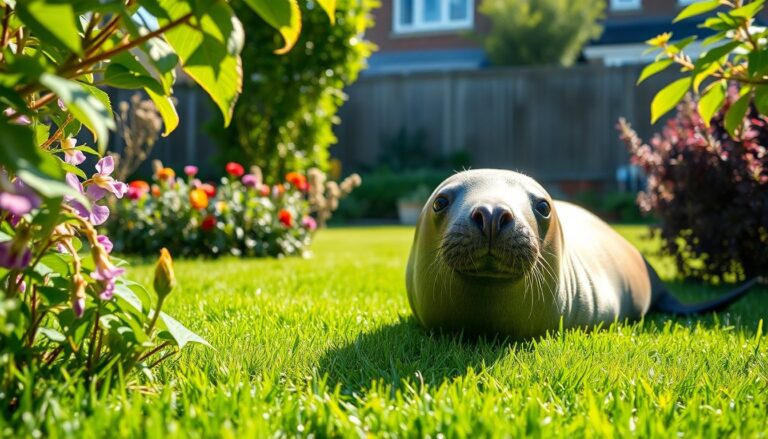
In a remarkable incident, a resident of Twickenham, London, discovered a seal resting in her garden earlier this month. Naomi Cassman initially expressed concern, fearing the animal might be in distress. However, local animal welfare organizations have reassured the community that such occurrences are becoming increasingly common and are not a cause for alarm.
Naomi recounted her experience, stating, “At first, I thought something was wrong with it. But then we learned that it’s simply a fantastic spot for seals to feed. They often come from the sea, enjoy a meal, and then haul themselves onto dry land to rest and digest their food.”
The rise in urban wildlife sightings
Naomi highlighted the growing trend of wildlife adapting to urban environments, mentioning, “It’s quite rare to see a seal here, but lately, it seems to be happening more often. I’ve even spotted a heron and a mink nearby.” This observation reflects a broader transformation in wildlife behavior as animals increasingly venture beyond their traditional habitats.
Understanding seal behavior
Despite their friendly appearance, seals can be skittish and should not be approached if spotted. Naomi advised locals to maintain their distance, asserting, “Seals are frightened of humans, much more than we are of them. Unless approached, they pose no threat. It’s best to leave them alone while they’re feeding and resting.” This caution is echoed by Thames Seal Watch, an organization dedicated to monitoring seal populations along the Thames River, which emphasizes the need for public awareness regarding seal encounters.
What to do if you spot a seal
A recent video circulated on social media depicted a seal on a river path between Richmond and Kew, prompting numerous inquiries about the animal’s health and safety. Thames Seal Watch confirmed the seal’s well-being, stating, “This seal is familiar to us and appears to be in good health, as observed in the recent footage.” They emphasized the importance of allowing seals to feel safe in their environment.
According to the organization, seals tend to alternate between the water and land, often hauling out to rest. They travel significant distances, suggesting that the seal spotted in Twickenham may have been exploring a new area rather than being lost or in trouble.
Best practices for interacting with seals
Thames Seal Watch has urged the public to respect seals’ space, especially in urban areas. They recommend keeping dogs on leashes and moving away from the vicinity of the seal if one is spotted. Sharing the location of seals on social media can inadvertently lead to crowds gathering, which may disturb the animals and lead to dangerous encounters.
In the event of a seal resting in a public area, it is crucial to contact the British Divers Marine Life Rescue (BDMLR) hotline. Trained professionals can assess the situation, ensuring the seal’s welfare is prioritized and providing guidance to the public on how to minimize disturbances.
As urban wildlife sightings, particularly of seals, become more common, local organizations plan to offer educational resources for residents. Thames Seal Watch intends to launch courses aimed at informing the public about local seal populations and responsible practices for coexisting with wildlife.
