

Tensions Rise in Tirah Valley as Evacuations Begin Ahead of Military Operation Against Militants
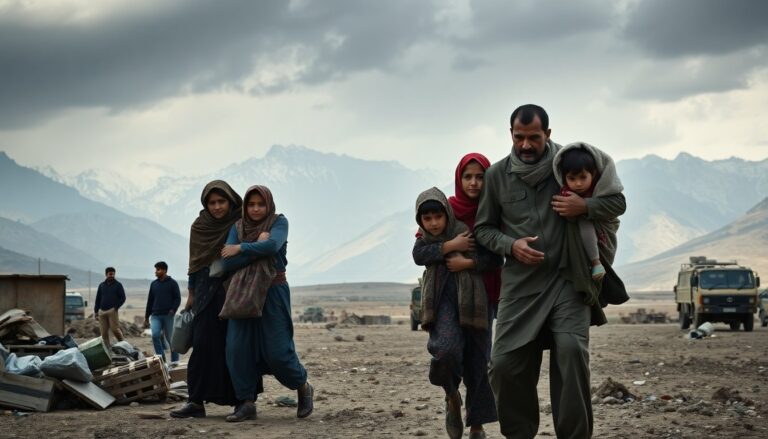
The Pakistani military has launched a significant evacuation operation in the Tirah Valley, located in the Khyber District. This action comes amid escalating control by the Tehrik-e Taliban Pakistan (TTP) and rising security concerns. The military is preparing to confront suspected militants in the region, prompting thousands of families to relocate as part of the planned offensive.
Evacuations and their impact
With a deadline set for January 25, the evacuations are intensifying and now affect around 150,000 residents in the valley. Reports show that the military’s timeline has driven tens of thousands to flee their homes, often in overcrowded vehicles.
The urgency of the situation is evident, as families like that of Saeed Khan express despair over lost livelihoods, underscoring the emotional strain this evacuation places on the community.
Challenges faced by evacuees
The evacuation process has been marked by chaos and peril as families navigate multiple security checkpoints.
The journey to Peshawar, typically a swift trip of under three hours, has transformed into a prolonged struggle, spanning several days amidst freezing temperatures and limited supplies. Local resident Ihsanullah recounted the distressing experience of his child’s illness during the evacuation, highlighting the severe conditions many evacuees are enduring.
Historical context of displacement
The situation in Tirah Valley reflects a long-standing issue. The region has experienced military operations for over two decades, particularly since the US-led invasion of Afghanistan in 2001. Ongoing conflicts have resulted in the displacement of millions and significant casualties among both civilians and militants. The Pakistani Army has faced allegations of human rights violations, complicating its relationship with local populations. This has contributed to a rise in support for militant groups, such as the TTP.
Community sentiments and political opposition
Local sentiments regarding the military operation are marked by significant opposition. Leaders, including Mahmood Khan Achakzai, have raised concerns about ongoing displacements, questioning the ethics of forcing families from their homes. Chief Minister of Khyber Pakhtunkhwa, Sohail Afridi, has also voiced his dissent, characterizing the operation as an imposition rather than a necessary military action.
Current conditions and future outlook
Recent heavy snowfall has complicated the situation, leading to an extension of the evacuation deadline to February 5. Many residents remain stranded due to blocked roads. In response, the military has initiated efforts to provide essential aid, including food and medical supplies to those trapped in the harsh winter conditions. This critical scenario has prompted local government and military officials to coordinate their efforts to assist families caught in this crisis.
The ongoing turmoil in Tirah Valley underscores the intricate relationship between military operations, governance, and the humanitarian consequences of conflict. As violence escalates, the Pakistani Army faces increasing challenges, particularly regarding the well-being of the displaced population. The uncertainty surrounding their future raises critical questions about the efficacy of military interventions in addressing deep-rooted issues.
Local officials are now under pressure to implement effective strategies that ensure the safety and stability of affected communities. With rising insurgency levels, the focus must shift toward sustainable solutions that prioritize humanitarian needs alongside security measures. This evolving situation demands a comprehensive approach that not only addresses immediate threats but also fosters long-term peace and resilience in the region.
