

Ukraine and Russia Initiate Dialogue in Abu Dhabi Amidst Ongoing Conflict and Energy Crisis In a significant step towards resolution, Ukraine and Russia have commenced diplomatic discussions in Abu Dhabi. This dialogue takes place against the backdrop of a persistent conflict and a pressing energy crisis, highlighting the urgent need for collaboration and sustainable solutions in the region. As both nations seek to navigate these challenging circumstances, the outcome of these talks could...
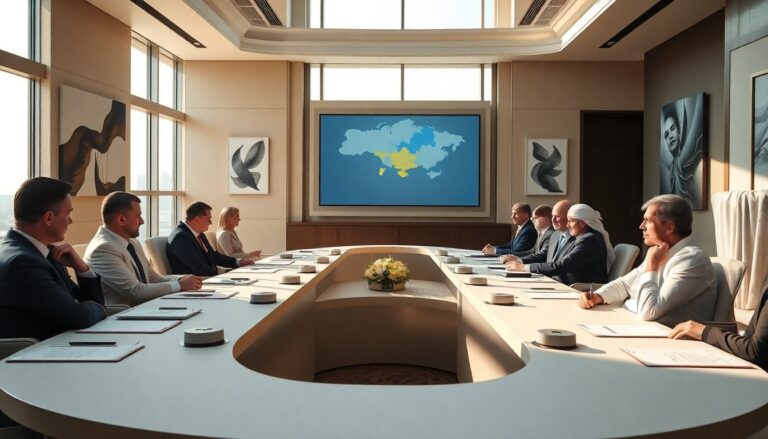
Ukraine and Russia engage in renewed peace talks in Abu Dhabi
Ukraine and Russia have recently participated in a second round of peace talks in Abu Dhabi, facilitated by the United States. While no conclusive agreement emerged from these discussions, both parties expressed a commitment to continue dialogue.
This diplomatic effort occurs against the backdrop of escalating conflict, as Russian attacks target Ukraine’s energy infrastructure, resulting in power outages for approximately 1.2 million people during frigid temperatures.
Ukrainian President Volodymyr Zelenskyy provided updates on social media regarding the negotiations, emphasizing the focus on creating the necessary conditions for a ceasefire and exploring potential resolutions to the ongoing war.
He noted that further discussions could take place as early as next week.
Details of the peace talks
During the talks, key representatives from both nations were in attendance. Ukraine’s chief negotiator, Rustem Umerov, and military intelligence chief Kyrylo Budanov represented Ukraine.
Russia sent military intelligence and army officials to the discussions, alongside American envoys such as Steve Witkoff and Jared Kushner.
A statement from the UAE government described the discussions as constructive and positive, centering on unresolved elements of the proposed US peace framework. This marked a rare moment of direct engagement between the two parties since the onset of the conflict nearly four years ago, following Russia’s full-scale invasion.
Challenges and criticisms
The initial draft proposal from the United States encountered significant backlash from Kyiv and its Western allies. Critics argued that it was overly accommodating to Russia’s demands regarding territorial claims. Conversely, Russia has categorically rejected any amendments that would allow for the deployment of European peacekeepers in Ukraine.
Before the negotiations commenced, Russian spokesperson Dmitry Peskov reiterated Moscow’s position, emphasizing the need for Ukraine to withdraw from the eastern Donbas region. This area includes the industrially important regions of Donetsk and Luhansk. Currently, Russia maintains control over all of Luhansk, and President Vladimir Putin is exerting pressure on Ukraine to concede the remaining 20% of Donetsk under its control.
Ongoing attacks amid peace efforts
As discussions progressed, Russia intensified its military operations, striking Ukraine’s energy infrastructure just as the second day of negotiations commenced. Reports indicated that these assaults led to power outages affecting 1.2 million people, with sub-zero temperatures worsening the humanitarian crisis. Oleksii Kuleba, Ukraine’s Deputy Prime Minister, underscored the gravity of the situation.
In the capital city of Kyiv, drone strikes resulted in one fatality and injuries to four individuals. Additionally, Oleh Syniehubov, the head of the Kharkiv region, reported that 27 people sustained injuries from similar drone attacks in Ukraine’s second-largest city.
Reactions to the attacks
Ukrainian Foreign Minister Andrii Sybiha, who did not participate in the negotiations, condemned President Putin’s actions as “cynical.” He remarked that the missile strikes targeted not only civilians but also aimed to undermine the ongoing peace talks. Sybiha asserted that such barbaric attacks demonstrate that Putin should not be part of any peace discussions but should instead face justice.
Opposition member of parliament Kira Rudik echoed these sentiments, asserting that the timing of the attacks was not coincidental. She argued that they reflect a pattern in Putin’s strategy, emphasizing the need for a ceasefire as a prerequisite for meaningful negotiations.
Looking ahead
As discussions progress, President Zelenskyy highlighted the necessity of American oversight to ensure that any resolution to the conflict is both genuine and secure. The situation remains fragile, with ongoing violence overshadowing potential peace efforts.
While both parties continue negotiations, a significant challenge arises from territorial disputes, particularly in the contested Donbas region. The stakes are substantial, and the international community is closely monitoring developments from these talks.
The ongoing discussions in Abu Dhabi represent a critical attempt to resolve the long-standing conflict. However, persistent military actions and entrenched positions on both sides present considerable hurdles to achieving lasting peace.
