

Enhancing Young Soccer Talent: The Critical Role of Player Development Centers and Community Foundations Explore the essential functions of player development centers and community foundations in cultivating the next generation of soccer talent. These organizations play a pivotal role in providing training, resources, and support to young athletes, fostering skill development and personal growth. By focusing on comprehensive player development and community engagement, they create pathways...
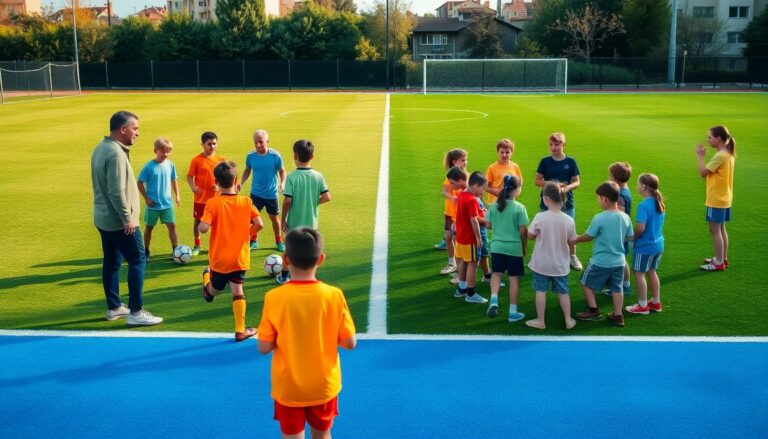
In the realm of youth soccer, two prominent entities often come into play:player development centersandcommunity foundations. While both serve essential purposes in promoting athletic skills and personal growth among young athletes, they adopt distinct approaches and operational structures. This article aims to dissect these distinctions and clarify how each contributes to the
Player development centersfocus primarily on enhancing technical skills, tactical understanding, and Designed to offer specialized training for young athletes, these centers categorize participants into various age groups.
Conversely,community foundationsemphasize inclusivity and community engagement, often providing opportunities for personal development that extend beyond the soccer field.
Player development centers: honing skills for the future
Player development centers aim to cultivate the next generation of soccer stars through structured training sessions and competitive environments.
Targeting players agedU7throughU16, these centers ensure that each participant receives age-appropriate coaching tailored to their skill level. For instance, onFebruary 20, 2026, various training sessions will occur atOriel High School, with schedules designed for different age groups throughout the day.
Training costs at these centers are generally modest, with a price point of around£10.00per session. This accessibility allows many young players to engage in quality training without financial barriers. The focus during these sessions is on enhancing individual skills such as dribbling, passing, and shooting, while also developing a tactical understanding of the game. These programs are crucial for players who aspire to join competitive teams or further their soccer careers.
Benefits of structured training
Structured training within player development centers is vital for several reasons. First, it grants players access to expert coaching from knowledgeable staff who understand the nuances of the game. Second, it fosters an environment where young athletes can push their limits and compete against peers, cultivating a healthy competitive spirit. Finally, such centers often provide pathways leading to higher levels of play, including opportunities to join professional academies.
Community foundations: fostering inclusivity and growth
In contrast, community foundations prioritize the broader personal development of youth within their programs. These organizations often cater to a wider age range, from5 to 16 years old, focusing on creating an inclusive environment where all children can participate, regardless of their skill level. For example, the upcomingPan Disability Soccer SchoolatFulham FC Training Groundwill offer tailored sessions for young athletes with disabilities.
The community foundation model emphasizes participation, teamwork, and personal growth over strict performance metrics. The goal is not solely to develop elite athletes but to nurture well-rounded individuals who can thrive both on and off the field. Programs often incorporate life skills training, mentorship, and social engagement activities, ensuring that participants develop holistically.
The importance of community engagement
Engaging the community is a core principle of community foundations. These organizations host events, workshops, and activities that encourage local involvement and support. By fostering connections among families, coaches, and players, community foundations create a sense of belonging, essential for personal development. The interactions that occur within these environments can lead to lasting friendships and a supportive network for young athletes.
Understanding the balance between performance and inclusivity
Both player development centers and community foundations play pivotal roles in the landscape of youth soccer. While player development centers focus on refining athletic abilities and preparing players for competitive environments, community foundations emphasize inclusivity and personal growth for all participants. Understanding these differences can help parents and guardians make informed decisions regarding which programs best suit their children’s needs and aspirations.
