

The UK is taking bold steps to combat Russian oil exports while supporting Ukraine's military needs.
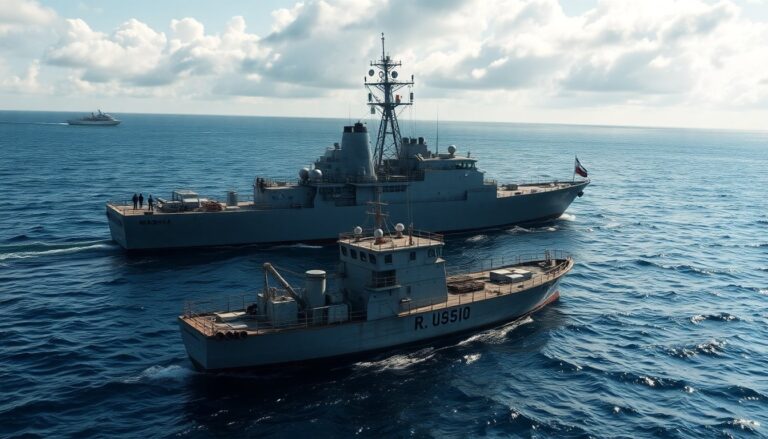
The geopolitical landscape has shifted dramatically since the onset of the conflict in Ukraine. In response to ongoing tensions and the need for financial support for Ukraine’s efforts against Russian aggression, Britain has launched a decisive initiative aimed at seizing Russian oil tankers.
This operation is part of a broader strategy to undermine Russia’s ability to fund its military operations through oil revenues.
Seizing Russian oil tankers: A financial lifeline for Ukraine
According to senior government officials, each oil tanker intercepted from Russia’s shadow fleet could potentially yield tens of millions in profits.
These funds are intended to bolster Ukraine’s defense against Russian incursions. The plan highlights Britain’s commitment to thwarting Russia’s attempts to evade international sanctions that have been imposed in response to its actions in Ukraine.
Understanding the shadow fleet
The term shadow fleet refers to a group of vessels that operate under false flags or murky ownership, enabling Russia to continue oil exports despite stringent sanctions. A recent interception of the tanker Grinch by French naval forces serves as a prime example. This vessel, originally flagged under the Comoros, was apprehended while navigating the western Mediterranean. It is currently under investigation for failing to confirm its true nationality, further complicating its legal status.
French authorities, supported by British naval assets, are conducting thorough investigations into the operations of the Grinch and similar vessels. This collaborative effort emphasizes the importance of international cooperation in addressing the challenges posed by Russia’s attempts to bypass sanctions.
International naval cooperation against Russian operations
In a display of solidarity, the UK has deployed its naval resources to assist in the interception of Russian-linked tankers. The HMS Dagger, a Cutlass-class patrol boat, played a crucial role in monitoring the Grinch during its interception. This operation aligns with the UK’s strategy of deterring, disrupting, and degrading Russian maritime activities that threaten global stability.
Impact of sanctions on Russian oil revenues
Despite numerous sanctions imposed by the European Union, the Russian economy has shown resilience. Reports indicate that Russia has adapted to these restrictions, continuing to sell oil to nations such as India and China at discounted rates. As a result, Moscow’s oil revenues have remained a critical component of its funding for military operations in Ukraine.
As of recent assessments, Russian oil revenues have decreased significantly, down 27% compared to previous figures. This decline underscores the effectiveness of international efforts to disrupt Russia’s oil exports. However, the presence of the shadow fleet complicates the situation, as these vessels can continue to operate under the radar, posing significant challenges for enforcement agencies.
The future of maritime security and sanctions enforcement
The ongoing efforts to monitor and intercept Russian vessels underscore the evolving nature of maritime security. As tensions escalate, the collaboration between nations like the UK and France is vital for maintaining a robust response to illicit maritime activities. The operations against the Grinch and others signify a broader commitment to uphold international law and ensure that sanctions are effectively enforced.
As the situation continues to develop, it is crucial for global partners to remain vigilant and prepared to adapt their strategies in response to Russia’s maneuvers. The interception of vessels, the enforcement of sanctions, and the financial support for Ukraine are all interconnected elements in the pursuit of restoring peace and stability in the region.
In conclusion, Britain’s proactive measures against Russian oil tankers not only aim to disrupt funding for the conflict in Ukraine but also send a strong message about the international community’s resolve to stand against aggression. By seizing these vessels, the UK is taking significant steps toward ensuring that Russia’s capacity to sustain its military operations is diminished.
