

Myanmar's Elections: Legitimacy and Future Governance Amid Civil Conflict The recent elections in Myanmar have been overshadowed by ongoing civil war, raising significant concerns regarding their legitimacy and the prospects for future governance in the country. As violence persists and divisions deepen, the international community is closely monitoring the situation, questioning the effectiveness of the electoral process and its ability to represent the will of the people. The implications...
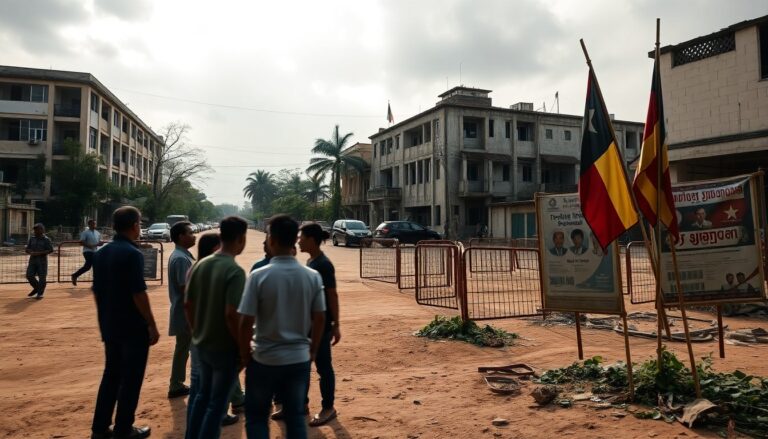
The political landscape in Myanmar remains unstable as the military government embarks on the final phase of its disputed general election. This electoral process, the first since the military coup in 2026, takes place amid a civil war. Many regions of the country are controlled by rebel factions that fiercely oppose the elections, deeming them illegitimate.
Context of the elections
In a nation where civil unrest has become tragically common, the military claims an electoral turnout of 52 percent during the initial voting phase. However, this figure raises skepticism, as numerous towns that were once bustling are now almost deserted.
For instance, Hpapun, a town that once thrived and had its own airport, now resembles a ghost town, casting doubt on the significance of voting amid ongoing violence.
Reactions from rebel factions
Interviews with rebel fighters indicate a strong rejection of the electoral process.
Many fighters oppose military rule and express skepticism about the potential for peace following the elections. As these groups maintain their resistance, the prospect of a unified Myanmar appears increasingly remote. Rebels emphasize that no legitimate government can emerge from these elections.
International response and concerns
The international community, particularly the United Nations, has raised serious concerns about the legitimacy of the elections. Reports from various human rights organizations highlight ongoing crackdowns on dissent, casting doubt on the fairness of the electoral process. The UN’s human rights chief has condemned the elections, urging the global community to refrain from recognizing the results.
Implications for the future
The implications of these elections extend far beyond the immediate political landscape. With over a million Rohingya refugees displaced by violence and discrimination, the outcomes of this electoral process are unlikely to alleviate their plight. Observers fear that the situation will persist, with the military government focusing more on consolidating its power rather than addressing humanitarian crises.
The road ahead
Myanmar is currently navigating the aftermath of this contentious electoral phase, with the military aiming to solidify its authority amidst ongoing operations against rebel groups. The Chinese government has expressed a desire for stability in the region, adding complexity to the existing dynamics. As the international community closely monitors developments, the future of Myanmar and its people remains precarious.
While the military presents the elections as a step toward normalcy, the situation in Myanmar suggests otherwise. Widespread dissent and ongoing conflict raise serious questions about the legitimacy of the electoral process. The challenges to reconciliation and peace are significant, indicating a tumultuous road ahead for this beleaguered nation. As the international community closely monitors developments, the future of Myanmar and its people remains precarious.
