

Nigel Farage's Reform UK seeks to end prosecutions against veterans from the Troubles era, advocating for their rights and recognition.
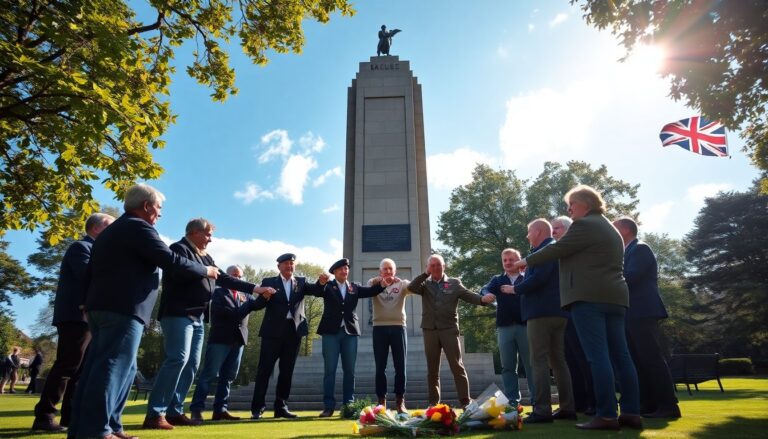
In a significant political move, Nigel Farage, the leader of Reform UK, has made bold promises aimed at protecting British veterans who served during the Troubles in Northern Ireland. He has expressed his commitment to ending any ongoing legal actions against these veterans by implementing legislative measures or utilizing the royal prerogative of mercy.
During an interview with the Daily Telegraph, Farage emphasized the importance of addressing the injustices faced by former servicemen. He stated, “We are proud to be launching our veterans wing. We will fight the injustice being done to our former servicemen and stand up for their rights.” This declaration comes at a time when many veterans find themselves entangled in legal disputes stemming from their actions during a tumultuous period in British history.
Proposed legislative actions
A policy document released by Reform UK outlines a clear intention to legislate a statutory barrier that would halt current and prevent future prosecutions of British veterans for historical actions taken during the Troubles. The document highlights a critical disparity in accountability, noting that while terrorists involved in the conflict have largely escaped consequences, British veterans have faced relentless scrutiny.
The party’s statement pointed out that British forces were implicated in only a small fraction of the total deaths during the conflict, accounting for approximately 11 percent. In contrast, an overwhelming number of ongoing investigations—around 30 potential inquests related to killings during the Troubles and approximately 600 civil cases—are focused on actions taken by lawfully deployed British security forces.
Recent legislative changes
In the political landscape, recent developments have raised concerns for veterans. Earlier this month, Members of Parliament voted on a government remedial order aimed at revoking protections that granted immunity from prosecution to individuals accused of crimes during the Troubles, provided they shared information with a truth recovery body. This move is part of the Legacy Act, which was approved in but faced challenges in its implementation.
The High Court in Belfast ruled that certain aspects of this act contradicted the European Convention on Human Rights in. Although the former Conservative government initiated steps to appeal this decision, Labour ministers abandoned the appeal following the general election. This shift has left many veterans in a precarious situation, with potential legal repercussions looming over their actions during the conflict.
Political reactions and implications
Mark Francois, the shadow armed forces minister, has criticized the Conservative Party for their handling of veterans’ issues, stating they have been “defending those who defended us” for many years. He acknowledged Farage’s late support for the veterans’ cause but pointed out that the Conservative Party has frequently voted against Labour’s initiatives aimed at protecting Northern Ireland veterans, highlighting a lack of unity on this pressing issue.
As the current situation stands, the Legacy Act continues to offer a degree of immunity for those who engage with truth recovery bodies, but the future remains uncertain. The recent vote to update the legislation passed with a significant majority, indicating a shift in parliamentary attitudes. The next step involves the House of Lords, where peers must review and approve the changes in law.
Historical context of the Troubles
Over the course of three decades, the Troubles resulted in more than 3,500 fatalities due to violence and bombings, marking one of the darkest periods in Northern Ireland’s history. The conflict began in January 1969 when British troops were deployed to address escalating tensions in the region. Given the complex and often contentious nature of this history, the actions of British veterans remain a sensitive topic.
As Farage and Reform UK push forward with their agenda, the implications of such policies could resonate beyond the realm of veterans’ rights. They may also influence discussions around accountability and historical justice, as society grapples with the legacies of conflict and the experiences of those who served.
